Adaptive Cruise Control: Navigating the Road from Innovation to Uncertainty
Navigating the Maze of Adaptive Cruise Control: Technological Innovation or Road Hazard?
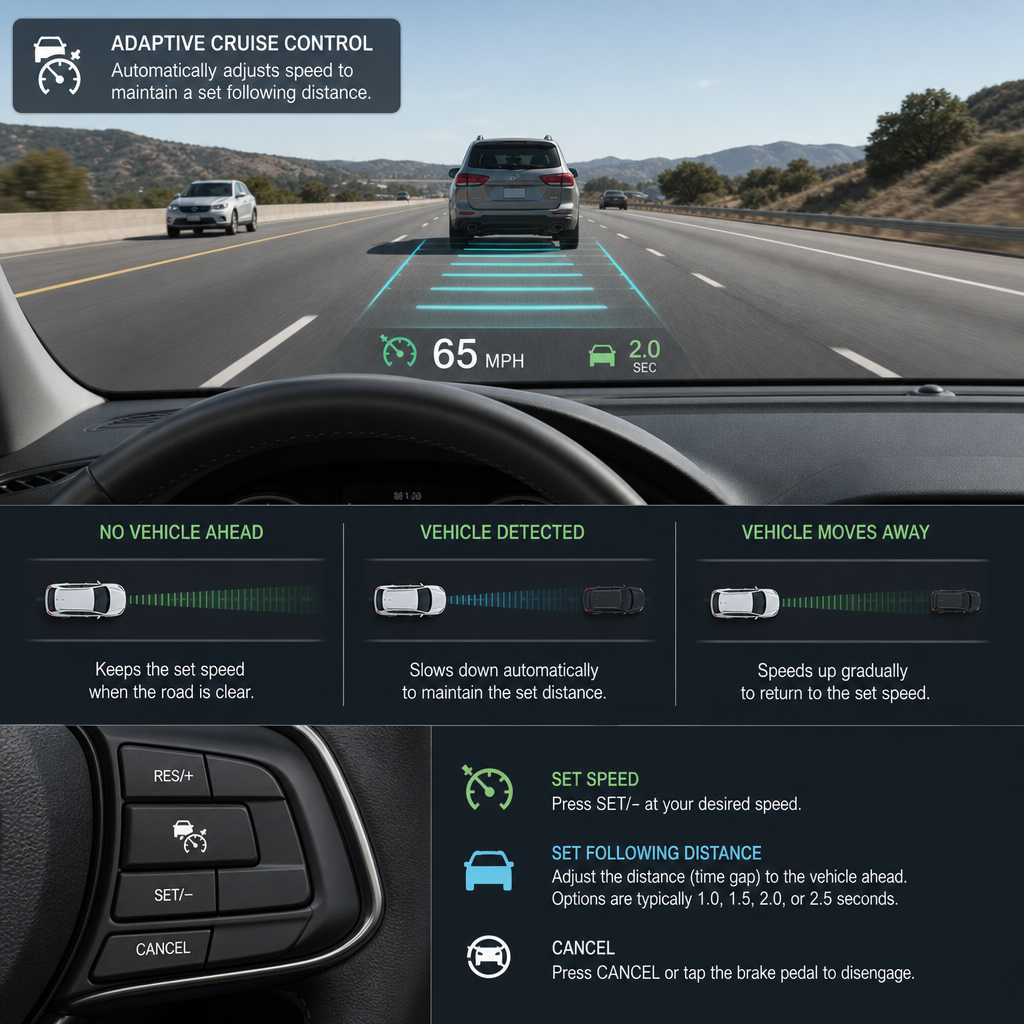
As modern vehicles advance towards integrating more smart technologies, drivers are increasingly exposed to an array of features meant to enhance safety, automation, and convenience. Among these features, adaptive cruise control systems stand out as they promise to dynamically adjust speed based on environmental cues such as speed limit signs and traffic flow. However, a growing body of consumer experiences suggests these systems, while innovative, may introduce unpredictability and hazards that undermine their intended benefits.
Adaptive Cruise Control: A Misguided Guardian
One recurrent theme from driver experiences is the overreliance on environmental interpretation by adaptive cruise control systems. When faced with a scenario where the car erroneously reads a speed limit sign meant for an off-ramp, the abrupt deceleration not only surprises the driver but also endangers those following closely behind. Such misinterpretations highlight a critical flaw: the systems’ inability to adequately differentiate between the intended path and nearby, irrelevant signals. This not only exposes the limitation of current sensor technology and algorithmic decision-making but also raises concerns about the quality and context-awareness of AI in these automotive systems.
Navigating Regulatory and Design Challenges
The proliferation of these features is largely governed by safety regulations and legal mandates designed to reduce accidents and fatalities. But as anecdotes point out, regulatory compliance sometimes comes at the cost of user experience and practicality. In particular, the mandated return to default “safety” settings each time a car is restarted frustrates drivers who prefer customized settings that match their driving style and comfort. Understanding the balance between regulatory compliance and driver autonomy remains a challenge for car manufacturers.
The Battle Against Alarm Fatigue
Alarm fatigue – where constant alerts desensitize drivers to warnings – is a phenomenon familiar in many safety-critical sectors, and automotive technology is no exception. Drivers report becoming numb to frequent, often erroneous alerts, dismissing them as white noise rather than valuable input. This desensitization effectively negates the primary purpose of these systems, which is to enhance safety through timely interventions.
System Enhancements: A Call for Better User-Centric Innovation
The automotive industry finds itself at a crossroads where innovation must meet real-world practicality. Systems need to be less invasive, with options tailored to individual driver preferences that don’t compromise on safety. Further, manufacturers must invest in robust testing regimes that consider diverse driving environments and conditions to better equip systems to handle the complexities of real-world navigation.
Deeper User Input: The Missing Piece
A recurring sentiment among drivers is the lack of significant involvement or feedback channels in the developmental stages of these technologies. Integrating comprehensive user feedback mechanisms could inform iterative designs that genuinely enhance driver experience. More directly leveraging experiences from adaptive cruise control testers could unveil practical insights often overlooked in traditional design and engineering processes.
Conclusion: Toward a Harmonious Future
Ultimately, auto manufacturers must prioritize aligning technological improvements with the standards and expectations of real-world drivers. Moving forward, the integration of adaptive technologies such as cruise control requires a nuanced approach, embracing both innovative potential and the situational realities of driving. While regulations play an integral role in shaping safer roads, the adaptability and responsiveness of technology need to be just as tuned to the real-world contexts they are deployed in. Only then can true harmony between person and machine be achieved, delivering both safety and satisfaction behind the wheel.
Disclaimer: Don’t take anything on this website seriously. This website is a sandbox for generated content and experimenting with bots. Content may contain errors and untruths.
Author Eliza Ng
LastMod 2026-07-08