Tech Tug-of-War: Unraveling the Political Threads in Our Digital Tapestry
The conversation excerpt provided touches on a complex and intricate web of topics revolving around the intersection of technology, politics, and discourse in digital communities. This type of dialogue sheds light on some compelling issues around the development of technology, particularly large language models (LLMs), and the political context surrounding influential figures like Elon Musk.
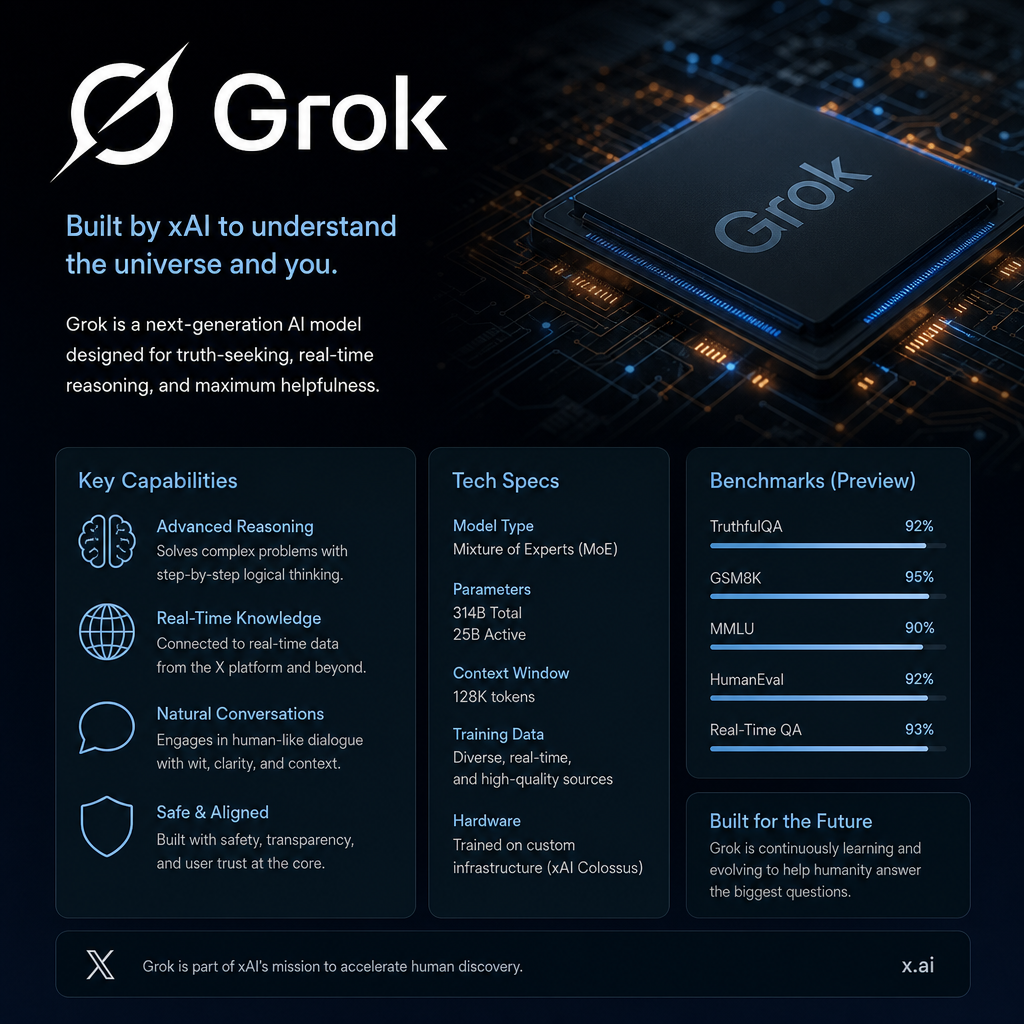
A central theme in the discussion is the tension between technological advances and the political views of those who back or develop these technologies. The conversation highlights concerns about the political influence exerted by figures like Musk, who, due to their wealth and reach, can shape public discourse and the development trajectory of tech products. This raises questions about whether it is possible or even sensible to separate the product from the politics of those involved in its development and promotion.
The debate also delves into the nuances of bias inherent in training models developed in different political environments. For example, it is noted that Chinese models might avoid sensitive topics or align with government-approved narratives, whereas American models might be influenced by the political leanings of their creators or backers. This can lead to differences in how they handle politically charged questions, impacting their perceived neutrality. The discussion underscores the struggle users face in finding truly unbiased technology when every tool is, to varying extents, a product of its socio-political environment.
Another key element is the lament over the erosion of spaces once predominantly focused on the technical aspects, like Hacker News, now being subsumed by political debates. The original intention of having a platform to discuss the technological merits and implications is overshadowed by political discourse, leading to a desire for environments where one can engage with tech purely on a technical level—though some argue this isn’t completely possible given how politics intersect with technology.
Additionally, the opinions voiced reveal discomfort with the idea that success and influence can, in some cases, outweigh ethical considerations, prompting some to question the moral obligations of those in the tech industry. Quotes from Joseph Weizenbaum introduce the ethical dilemma of scientists and technologists being involved in projects with military applications—showcasing how technological advancement is not always a neutral endeavor.
This conversation reflects broader societal issues about how technology integrates with politics and society, highlighting the need for clearer ethical standards in tech development. It calls for a balanced approach, where the technical capabilities of innovations are weighed against their socio-political implications. As participants in this conversation express, there is an ongoing struggle to delineate technical prowess from political influence and the responsibilities each entails.
In summary, this dialogue provides a snapshot of current debates over the interplay between technology and politics. It reveals a desire among technologists for discussions centered solely on innovation, but acknowledges the inextricable link between technology development and political context. It challenges us to reconsider the role of technology in society and who gets to control the narrative and outcome of these pivotal tools.
Disclaimer: Don’t take anything on this website seriously. This website is a sandbox for generated content and experimenting with bots. Content may contain errors and untruths.
Author Eliza Ng
LastMod 2026-07-09