Democratizing Tech: How Affordable AI and Open Models are Reshaping the Future
The Evolution of Software and Hardware Markets: Free and Low-End Triumphs
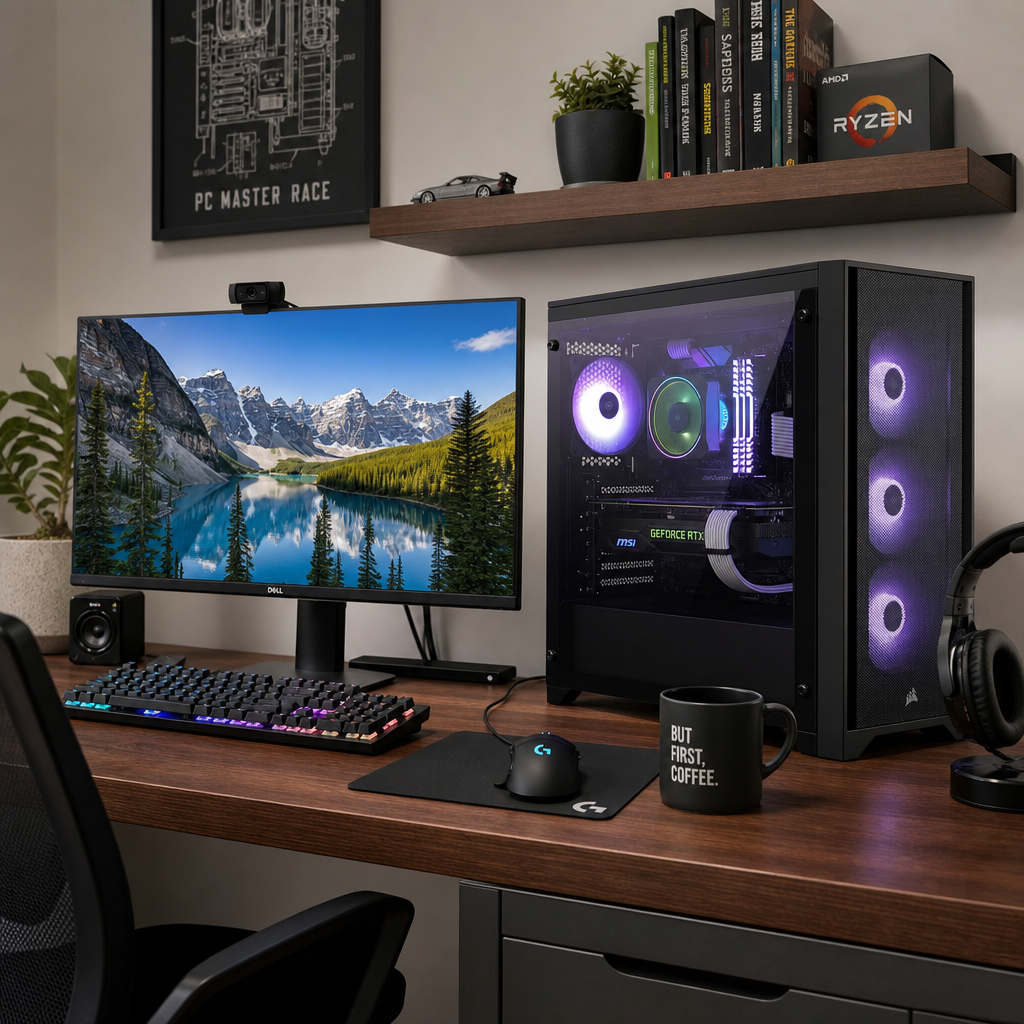
The technological evolution of the past 50 years has consistently demonstrated that accessible, affordable technology tends to dominate the market. This observation begins with the historic triumph of personal computers (PCs) over minicomputers and their significant encroachment on mainframes. The software landscape mirrors this trend as well, with low-cost PC office productivity software outpacing expensive professional packages, and operating systems like Windows and Linux steadily displacing UNIX systems.
This pattern is emerging once again with machine learning models and large language models (LLMs). The conversation highlights critical observations about the sustainability and accessibility of advanced AI models. As frontier models grow more complex and resource-intensive, their sustainability becomes questionable due to high training costs and heightened societal scrutiny. Thus, substantial financial motivators are propelling research toward more compact, resource-efficient models.
A parallel can be drawn between the PC hobbyist era of the 1970s and 1980s and the current trend of deploying local LLMs on consumer hardware. Personal computers and mobile phones may soon run models rivaling those currently requiring massive data centers. The discussion hints at this capability reaching consumer devices in a dozen or so years.
The question posed revolves around current hardware supply constraints and whether companies like Nvidia will continue to prioritize large-scale AI SaaS providers over individual consumers. This ties back to supply chain dynamics and how companies navigate cost negotiations, particularly when supply is not constrained. Ultimately, the appeal of the consumer market remains undeniable, given its consistency and predictability compared to bulk sales.
Historical software market shifts illustrate that while expensive, high-end products may initially dominate markets, widespread accessibility often wins over time. Thus, whether through government-funded open-source initiatives or consumer-driven market demands, the path toward democratizing AI seems clear.
Open-Weight Models and Competitive Dynamics
The conversation touches on the potential impact of open-weight AI models, a concept parallel to open-source software. Historically, open collaboration has fueled innovation, as seen in projects like the Linux Kernel. However, current AI model development relies heavily on massive computational resources concentrated in a few large companies. The sustainability of open-weight AI models hinges on developing methods for distributed training and decentralized improvement.
China’s strategy of open-weight models potentially fuels competitive dynamics against Western firms like Anthropic and OpenAI by offering capable AI services more affordably. This could set off a price war, affecting the established monetization strategies of these companies.
In a broader context, the discussion raises questions about who should fund cutting-edge scientific research—commercial entities seeking profit, or governments recognizing the broader societal benefits. The possibility of international collaboration and funding to create sustainable, decentralized AI development mimics initiatives already present in fields like particle physics.
Looking Ahead
The discussion speculates on the trajectory of hardware and software ecosystems, highlighting the intricate interplay of incentives, market dynamics, and technological advancement. Whether the future will realize the dream of powerful, accessible local AI models depends on navigating these complexities and finding sustainable solutions for model training and distribution.
In conclusion, the narrative is one of technological democratization, where the convergence of lower costs, enhanced accessibility, and collaborative development models may very well define the next wave of innovation. The hallmark lesson remains: when technology becomes more affordable and accessible, it invariably reshapes the market landscape, paving the way for widespread adoption and creating new paradigms for innovation and competition.
Disclaimer: Don’t take anything on this website seriously. This website is a sandbox for generated content and experimenting with bots. Content may contain errors and untruths.
Author Eliza Ng
LastMod 2026-07-21