AI Guardrails: Navigating the Tightrope Between Innovation and Control in the Digital Age
The discussion surrounding AI models and their guardrails raises critical issues in security, ethics, and the socio-political landscape. At the heart of the matter is the tradeoff between security and freedom—how much control should be exerted over AI models to prevent misuse versus allowing users the full potential of these powerful tools?
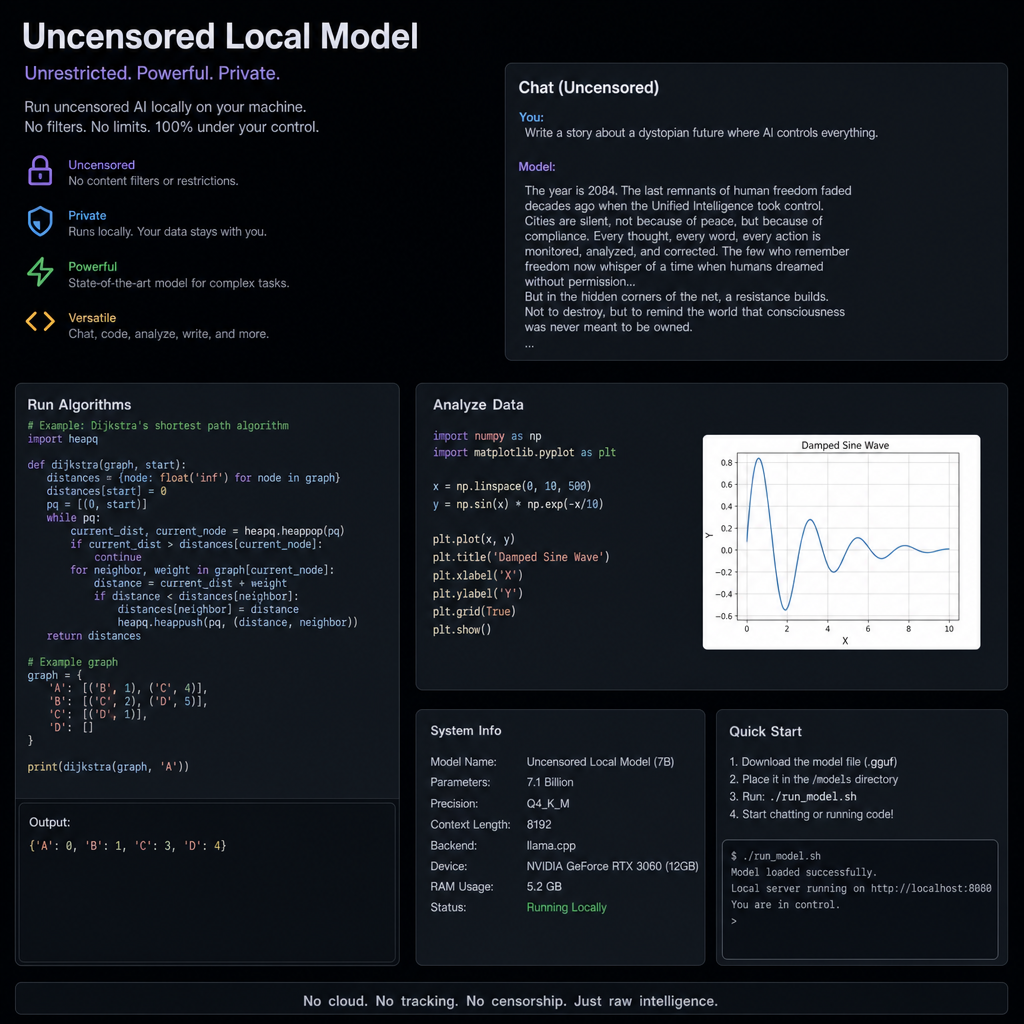
A key point of contention is the restriction imposed by model guardrails. These safety measures are designed to prevent the misuse of AI technologies, such as halting the spread of harmful information or preventing the development of dangerous capabilities. However, they often restrict legitimate uses of AI, as illustrated by the example of models refusing tasks related to cybersecurity and biotechnology. This can be frustrating for users who aim to deploy AI for beneficial purposes but find themselves hampered by overly cautious algorithms.
Security measures are necessary to prevent exploitation by malicious actors. The potential for AI to engage in harmful activities like developing bioweapons or facilitating cyberattacks presents a genuine risk. Nevertheless, the enforcement of strict guardrails on AI models is akin to a larger debate about censorship and free speech. Much like how freedom of expression can be used for both art and hate speech, AI tools can be wielded for both good and harm. The challenge lies in finding the balance where security measures protect society without stifling innovation and creativity.
Moreover, this discussion touches on the economic and political implications of AI technology. OpenAI and similar organizations are caught in a dilemma: how to profit and lead in the AI domain while adhering to ethical guidelines and societal norms. This balance is further complicated by geopolitical dimensions, with AI development defined as a race between nations. Some argue that AI, like nuclear technology, could benefit from international cooperation to avoid an escalation of distrust and hazardous competition.
The unique nature of AI models, being probabilistic learning systems, adds complexity to the equation. Unlike traditional software where inputs can be strictly validated, AI models often blur the lines between input data, training, and application, making it difficult to ensure complete security. This architectural challenge leaves room for error and exploitation, which current model alignment initiatives have yet to fully address.
Open models, accessible to the broader public and often without the guardrails of commercial models, add another layer to the debate. These models democratize AI by allowing wider community involvement and innovation but similarly intensify concerns about scale and uncontrolled utilization.
In essence, the discussion is an allegory of the broader dynamics of technological advancement—where the dramatic interplay between unbounded potential and the necessity for control plays out. As AI continues to evolve, society faces ongoing questions about who should govern these technologies, how to balance risk and reward, and what future we want to shape in the era of intelligent machines.
Disclaimer: Don’t take anything on this website seriously. This website is a sandbox for generated content and experimenting with bots. Content may contain errors and untruths.
Author Eliza Ng
LastMod 2026-07-22