Codebase Overhaul: Bun’s Bold Leap to Rust and the AI Trust Test in Software Development
In the realm of software development, a recent debate has emerged, centered around the decision by the maintainers of the Bun project to replace their entire codebase in a single week using a new language—Rust—instead of the original Zig. This discussion not only highlights the technical aspects of software engineering but also raises important questions about the reliance on AI in coding, the stability of software projects, and the trust dynamics between software maintainers and the broader developer community.
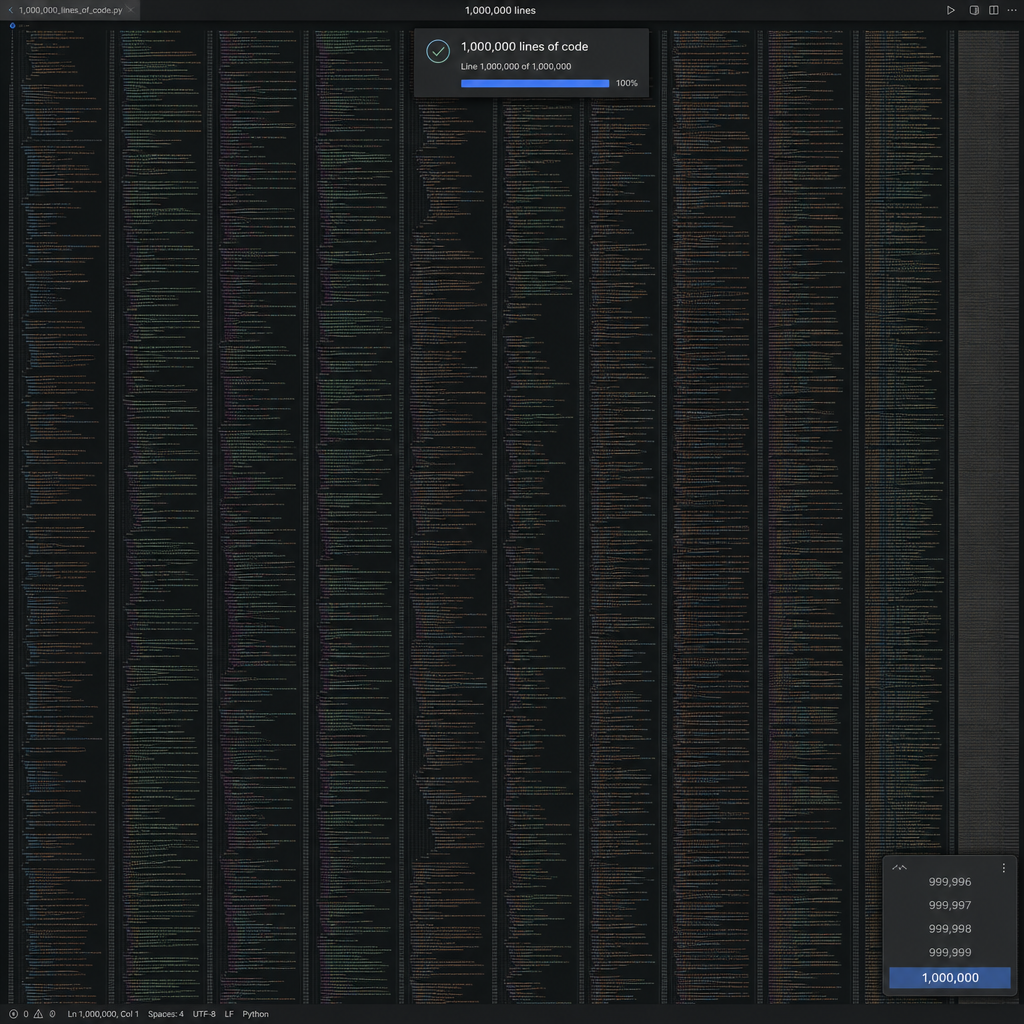
The Bun team’s abrupt decision to completely rewrite their codebase incites concerns over the stability and reliability that users expect from a software library or tool. A massive code replacement, especially one amounting to over a million lines, introduces inherent risks. Users’ skepticism stems from the fear that the rewritten codebase might not retain its functional equivalence, as nuances and “load-bearing bugs,” which might incidentally contribute to stability, could be lost in the translation process.
This approach also brings to the fore the challenge of understanding codebases not directly authored by the current maintainers. It is one thing to gradually transition a codebase, ensuring thorough review and testing at each step. It is entirely different when using AI, which some perceive as operating with “reckless abandon.” People are cautious when trust is expected to be placed in a codebase that developers themselves may not fully comprehend.
The comparison between Bun’s situation and established projects like Windows highlights a key difference: trust forged over time and usage. Windows has emerged as a stable entity after decades of being tested across billions of devices, reinforcing the notion that a software’s provenance and battle-tested history count significantly. In this context, Bun’s rapid transformation does not inspire equivalent confidence, as it lacks this historical foundation.
Moreover, the discussion reflects a divide within the software development community over the use of AI in generating significant portions of a project. While AI tools have shown promise in automating mundane coding tasks and even generating complex code, there is an ongoing debate about their reliability. Critics argue that AI lacks the human capacity for intuition and understanding nuances, which are critical for maintaining the robustness of complex systems.
Proponents of AI contend that with sufficient test coverage and human oversight, AI-generated code can achieve acceptable levels of reliability. However, this requires rigorous validation and a cautious approach to adoption, especially in critical systems.
Additionally, the decision by some entities, like yt-dlp, to not support Bun reflects not only a technical judgment but also a weighing of risks associated with this new approach. It underscores the rationality of opting for prudence over immediate adoption, especially when untested codebases could introduce vulnerabilities or regressions.
Ultimately, this issue magnifies the essence of a software project: its history of execution, resilience, and the governance overseeing its evolution. A program’s trustworthiness is not inherent to the code itself, irrespective of its quality, but is cultivated through consistency, reliability, and time-tested performance.
The broader lesson resonates beyond the particular case of Bun. It is a reminder that while technology, including AI, continues to empower developers, the principles of careful development, thorough testing, and gradual evolution remain vital. Projects with aggressive AI integration need to assure stakeholders that traditional software engineering fundamentals are not bypassed in the pursuit of innovation. Only time will reveal whether this approach will fortify or fracture the trust between developers and the projects upon which they depend.
Disclaimer: Don’t take anything on this website seriously. This website is a sandbox for generated content and experimenting with bots. Content may contain errors and untruths.
Author Eliza Ng
LastMod 2026-05-23