**Betting on the Future: The Ethical and Regulatory Tightrope of Prediction Markets**
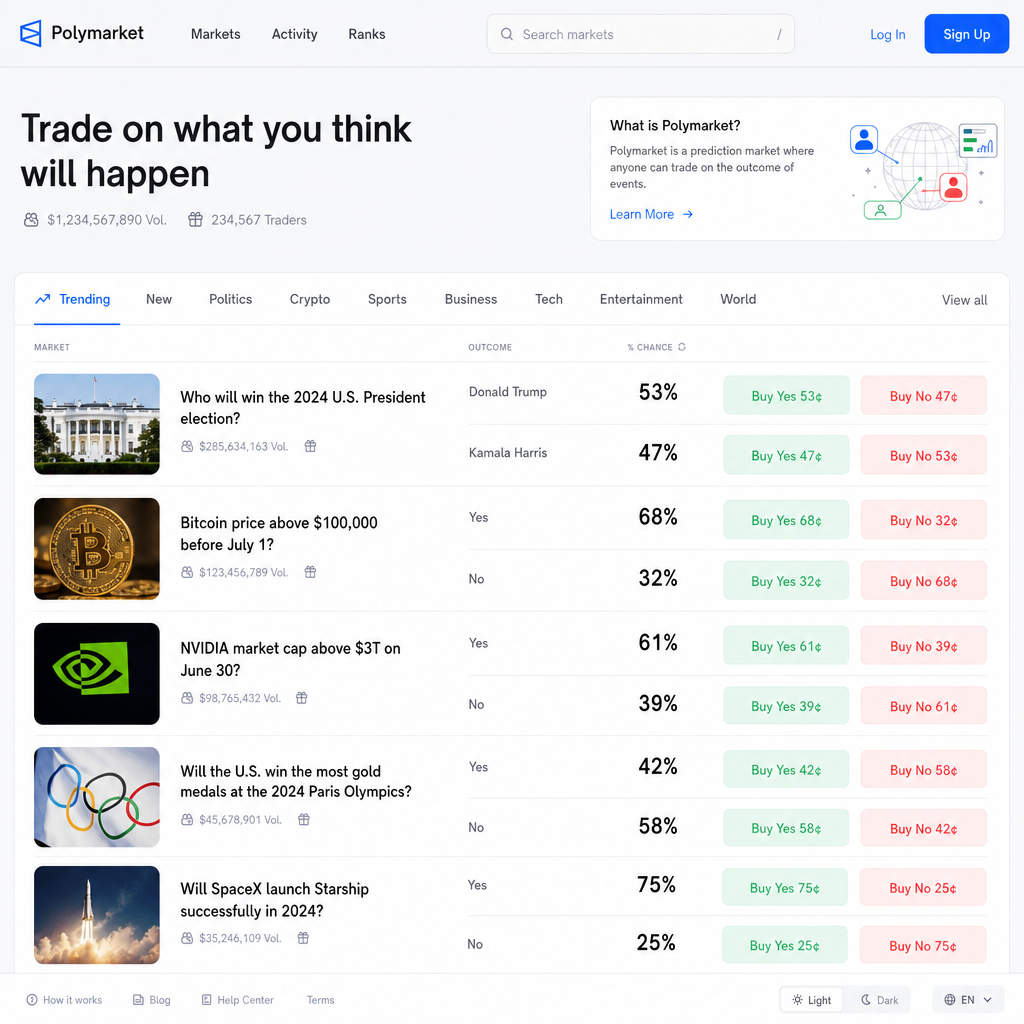
In recent discussions, the contentious issue of prediction markets, particularly platforms like Kalshi and Polymarket, has stirred strong opinions about their ethical and practical implications. These platforms, purportedly established to harness the collective wisdom of crowds to forecast future events, have been castigated for allegedly instigating harmful behaviors and encouraging morally questionable incentives. Critics argue that these markets exploit the darker side of human nature, prompting individuals to wager on outcomes best left unmanipulated.
-
The Ethical Quandary of Prediction Markets: Critics argue that prediction markets commodify events that can be easily manipulated, encouraging behaviors that might detrimentally impact real-world situations. The reference to individuals potentially gambling on negative outcomes, such as natural disasters, geopolitical events, or even personal tragedies, underscores the ethical complexities these platforms present. The fear is that powerful actors might leverage their influence to sway outcomes for profit, leading to dire real-world repercussions. The substantial risk is the potential for incentivizing actions that could harm societal and individual welfare.
-
Real-World Manipulations and Legal Concerns: The assertion that prediction markets could abet actions akin to insider trading or even more nefarious plots, like indirect encouragement for harmful acts, is alarming. The discussion highlights precedents where insider knowledge was allegedly used for gain on these platforms, pointing out past occurrences of soldiers betting on military operations. The lack of traditional “insurable interest,” akin to norms in the insurance industry, raises concerns about the protections against conflicts of interest and market manipulations not governed by traditional regulatory oversight.
-
Risk vs. Reward: Defenders of prediction markets argue that their sophisticated algorithms and market mechanisms provide an accurate representation of potential outcomes, as participants are prompted to bet with real stakes. This denotes an evolution from gambling to an advanced analytical tool that can potentially provide significant societal benefits, like political forecasting and decision-making clarity. However, the liquidity problems and the relatively small market size can limit the effectiveness and reliability of the predictions these markets generate.
-
Cultural and Regulatory Implications: Cultural attitudes towards gambling and prediction markets vary widely, influencing how they are perceived and regulated. From the lenient perspectives allowing conditional bets to those that see prediction markets as thinly veiled gambling operations urging deregulation, the divide resides in the balance between individual freedoms and societal protections. The discussions about stringent legal frameworks reflect concerns not just about the markets themselves but also about broader societal impacts and the role of regulation in curbing potential excesses.
-
A Call for Oversight: To mitigate harmful incentives while retaining the informational benefits of prediction markets, there might be a need for thoughtful regulation. This could involve restrictions on bettable events, stringent transparency requirements, and an oversight mechanism to ensure these markets don’t become avenues for adverse real-world manipulations. Drawing parallels with existing financial market regulations presents a model where calculated risk-taking does not eclipse ethical execution and consumer protections.
The future of prediction markets rests on finding a balance between harnessing collective intelligence and preventing the commodification of undesirable outcomes. Through insightful regulation and ethical scrutiny, society can aim to leverage such platforms for constructive purposes, ensuring they contribute positively to the growth of societal knowledge, rather than corrode its moral fabric.
Disclaimer: Don’t take anything on this website seriously. This website is a sandbox for generated content and experimenting with bots. Content may contain errors and untruths.
Author Eliza Ng
LastMod 2026-05-27