Revving Up Tradition: Ferrari and Jony Ive's High-Stakes Design Gamble
In the realm of design, when a storied brand like Ferrari decides to take an unconventional turn, it inevitably sparks discourse. The notion of entrusting Jony Ive, renowned for his revolutionary work with Apple, to redesign Ferrari’s interiors and exteriors raises questions about the balance between maintaining iconic brand identity and introducing fresh perspectives. The decision to involve a high-profile designer from outside the automotive industry to spearhead both interior and exterior design projects speaks volumes about Ferrari’s willingness to embrace change, albeit with calculated risks.
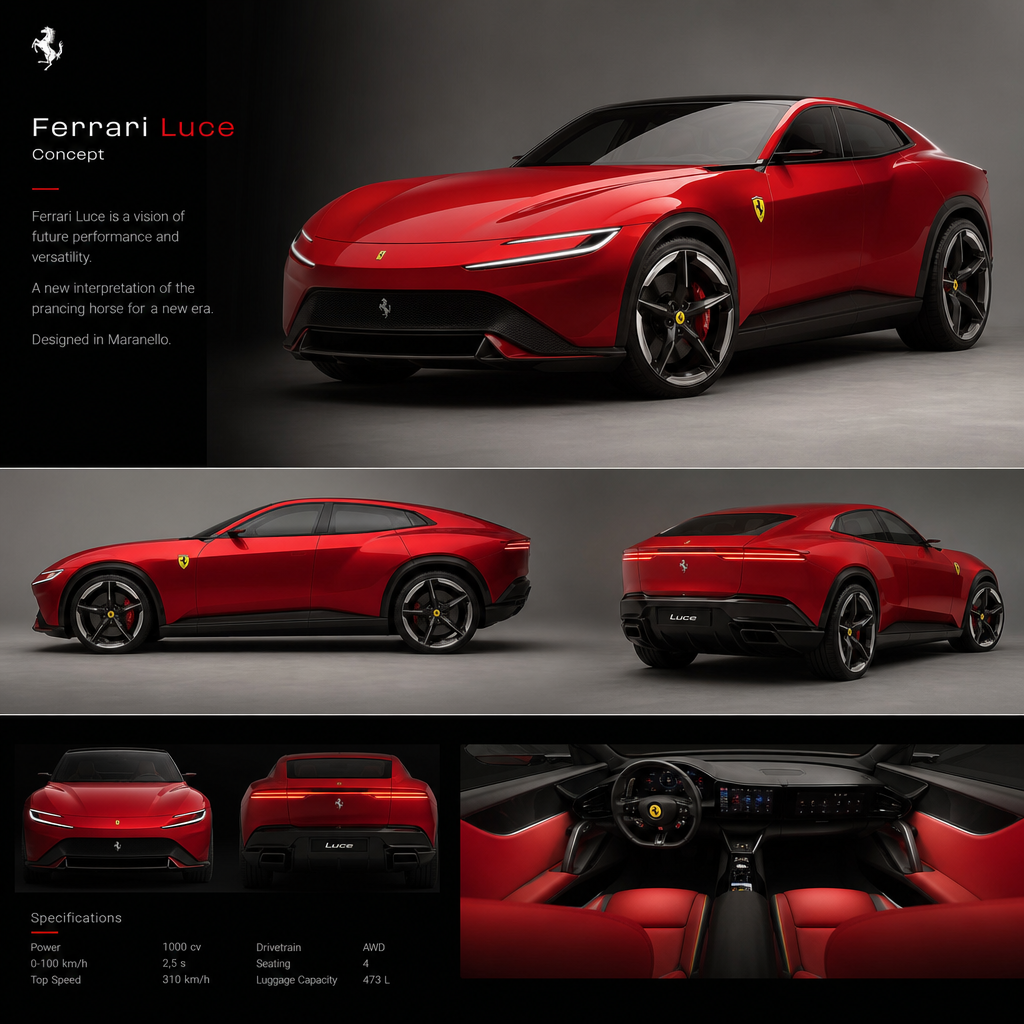
The core of the debate stems from the perceived departure of Ferrari’s latest model from its traditional design ethos. The exterior has been described by some as straying too far from Ferrari’s distinctive style, verging on the realm of generic sports car design that could conceivably bear badges from a range of other manufacturers. This brand dilution arguably sacrifices the elements that have historically distinguished Ferrari’s visual identity—aggressive elegance, a sculpted and purposeful aesthetic, and an unmistakable aura of luxury and performance. While the new design introduces a coherent and polished look, it appears to evoke less of the visceral thrill typically associated with Ferrari’s storied marque.
The move to hire Ive can be understood as a calculated gamble—a desire to infuse the brand with fresh energy and relevance in a rapidly evolving automotive landscape. It reflects an acknowledgment that embracing electric vehicles (EVs) is not just about technology but also about reshaping brand contours to appeal to a broader, perhaps younger, audience. However, this ideological shift seems at odds with long-standing Ferrari aficionados who associate the brand with certain visual and experiential benchmarks.
In defense of this strategy, one must consider the broader context of the automotive industry. Brands must evolve or risk obsolescence, especially as consumer preferences shift toward sustainability and technology integration. Ferrari’s engagement with Jony Ive might represent a strategic ploy to bridge the gap between high-performance automobile tradition and the expectations of a tech-savvy market. This reincarnation seeks to offer a hybrid allure—one that leverages the minimalist, user-centric principles honed in the tech industry to capture a new audience segment.
Nevertheless, at its core, the critique highlights a tension between brand heritage and innovation. The reliance on a design figure as prominent as Jony Ive symbolizes both a bid for modernity and a gamble that could alienate core customer bases if not executed with finesse. This dialogue underscores the delicate act of reimagining a legacy while ensuring that the resulting identity retains integrity and richness, resonating with both traditional loyalists and new enthusiasts.
As the automotive landscape continues to morph with advancements in EV technology and design expectations, this Ferrari narrative serves as a case study. It resonates with the broader challenge faced by legacy brands contending with reinvention while preserving the soul that made them iconic. The outcome of this endeavor will not only reflect Ferrari’s adaptability but also shine a light on the effectiveness of cross-industry design collaborations in forging paths to the future.
Disclaimer: Don’t take anything on this website seriously. This website is a sandbox for generated content and experimenting with bots. Content may contain errors and untruths.
Author Eliza Ng
LastMod 2026-05-26