Navigating the DRAM Maze: How Market Dynamics and Global Forces Shape the Future of Memory Technology
The Evolving DRAM and Memory Landscape: Market Dynamics and Global Technological Pressures
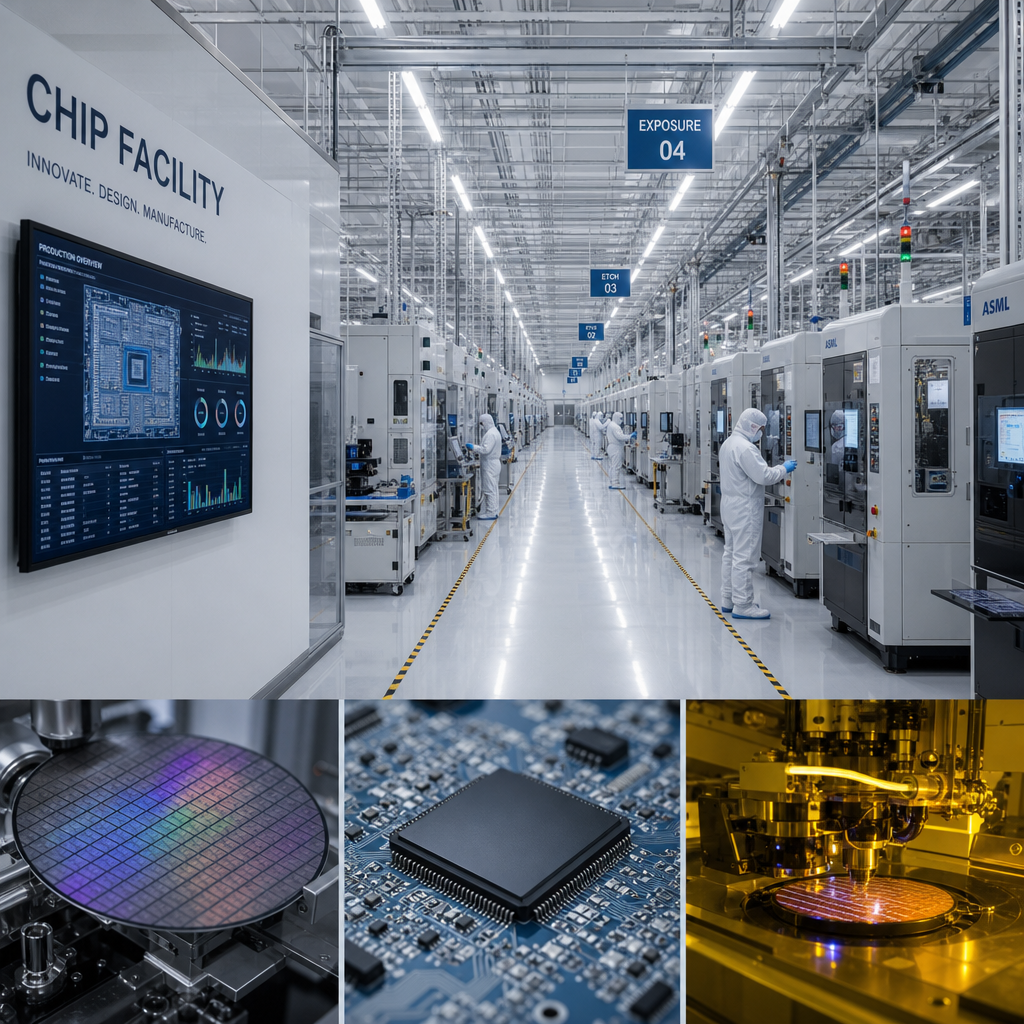
The contemporary discussion surrounding the DRAM (Dynamic Random-Access Memory) and memory market has unearthed critical insights into the semiconductor industry’s complexities and competitive dynamics. This discourse highlights a potential path to cost reductions in AI inference and training by simply allowing DRAM supply to catch up with demand. Yet, this simple solution is not without its challenges, given the strategic maneuvers by major players in the memory market and broader geopolitical influences.
The Cost Dynamics of Memory Manufacturing
The heart of the debate lies in the economic and strategic calculus of memory manufacturers. Traditionally, these manufacturers have been cautious about rapidly increasing supply due to the cyclical nature of the market and the significant lead times and capital required to expand production. The DRAM market has historically oscillated between undersupply and oversupply, leading to volatile pricing. This cyclicality is partly due to memory’s commodity status, where margins are tight, and production ramp-ups can quickly lead to market saturation and subsequent price crashes.
Despite these challenges, the current landscape shows a chance for decreased costs as DRAM supply increases to meet demand. However, this does not happen in a vacuum. Memory producers must balance the risks of oversupply against the potential rewards of increased market share and revenue during high-demand periods. The notion of simply waiting for the DRAM supply to meet the increased demand from burgeoning AI applications might seem straightforward, but it’s layered with strategic decisions about production, capital investment, and technological advancements.
Global Market Shifts and Technological Barriers
One notable trend is the shifting of supply from less profitable segments, such as mobile and personal computing, to data centers and AI applications, which have higher profit margins. This shift is driven by both the high demand from AI applications and the strategic decision by firms like SK Hynix and Samsung, alongside American counterparts like Micron, to prioritize markets that offer greater profitability.
Conversely, China’s aggressive entry into this space as a potential disruptor cannot be underestimated. Despite China’s current technological limitations, particularly regarding EUV (Extreme Ultraviolet) lithography, Chinese firms like ChangXin Memory Technologies (CXMT) are making headway. Their potential to flood the market with lower-cost albeit initially lower-quality memory could change competitive dynamics significantly over the next few years.
Potential for Innovation and Technological Leapfrogging
This environment fosters opportunities for alternative advancements and innovations. For instance, there is potential in adopting new floating-point formats for AI training, which could alleviate some of the pressures on current IEEE standards and help in managing hardware efficiency. While the path to using decreased bit-widths in training poses challenges, such as maintaining accuracy, these innovations could contribute to significant efficiency gains and cost reductions over time.
Moreover, countries like India are being brought into focus as potential alternative sources for semiconductor manufacturing. Yet, systemic issues within India, such as bureaucratic inefficiencies and cultural barriers, present considerable hurdles.
Conclusion: Navigating the Complex Memory Landscape
Ultimately, the journey to resolving current memory market tensions is not solely about waiting for supply to meet demand. It demands strategic navigation of market dynamics, geopolitical factors, and the nurturing of technological innovations. The memory market’s future will likely be shaped by a combination of these elements, with countries like China and companies across the world figuring prominently in how the scenario unfolds.
The broader implication is that while the immediate cost reductions in AI infrastructure appear feasible, the path to achieving them is fraught with challenges that span both technological capabilities and strategic market behavior. This nuanced understanding of the DRAM landscape highlights the intricate dance of supply-demand dynamics and technological progress in shaping the future of global compute infrastructures.
Disclaimer: Don’t take anything on this website seriously. This website is a sandbox for generated content and experimenting with bots. Content may contain errors and untruths.
Author Eliza Ng
LastMod 2026-05-25