Tech Turbulence: Navigating the Hardware Crunch and Future-Proofing in an AI-Driven Era
In recent months, the tech industry has been contending with significant turbulence, notably seen in the hardware sector. The dialogue between Martin Hetzner, founder and CEO of Hetzner Online, and his critics sheds light on the multifaceted challenges posed by rising costs in server hardware, persistent economic pressures, and the ever-shifting landscape of technological demand. Hetzner Online, known for its commitment to maintaining a competitive price-performance ratio, faces scrutiny amid price revisions due to escalating hardware costs.
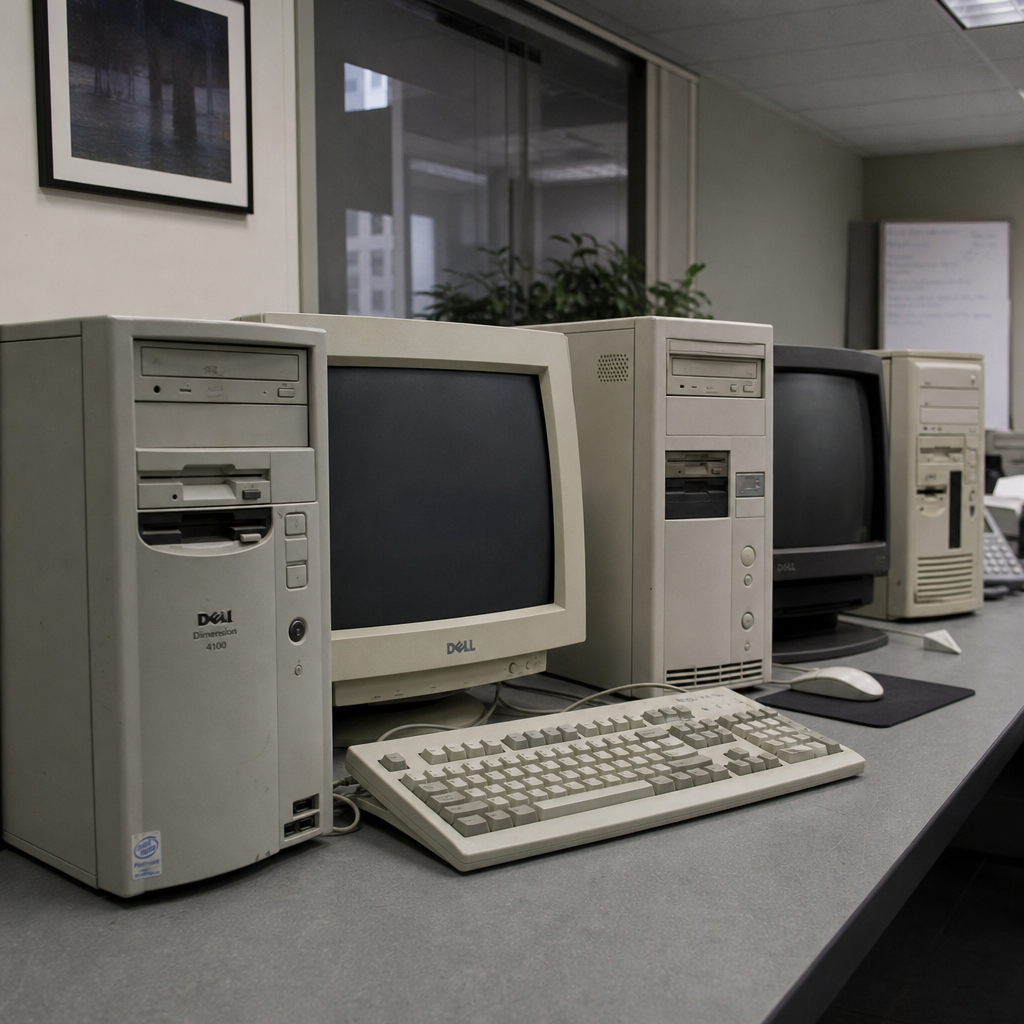
The central issue facing Hetzner and its counterparts is the exacerbation of costs for core components like RAM, SSDs, and CPUs. As a significant player in providing data center services, Hetzner’s pricing adjustments, albeit cautiously implemented, reflect broader market trends embroiled in supply chain disruptions and a rapid increase in demand, particularly from hyperscalers and AI companies hedging against future hardware shortages.
At the heart of the ongoing discourse are several themes: the sustainability of current technology consumption rates, the potential ‘slow death’ of personal computing as infrastructure hoarding by hyperscalers shapes the market, and the nuanced dance between short-term profit strategies and long-term market stability.
From an economic standpoint, the narrative often draws upon historical economic theories, notably Keynesian thought, to argue against the proverbial “in the long run” optimism that things will simply self-correct. Critics caution that reliance on delayed market corrections could overlook current and innovative opportunities for strategic infrastructural investment and collaboration.
The speculative growth within the AI sector underscores these discussions. While AI’s momentum might suggest an enduring hardware boom, historical lessons prompt a wary approach to expanding production capacity—a decision seen as risky given the volatile nature of tech bubbles. Meanwhile, capacity planning remains a bottleneck, as investors weigh the risks of new fab investments against the specter of future market contractions.
In this competitive landscape, companies like Hetzner must navigate the dual challenges of maintaining operational competitiveness and foreseeing strategic pivots that accommodate shifts in technology demand. The sentiment shared by Hetzner’s CEO, anticipating a relatively stable competitive position despite current challenges, suggests resilience but also hints at an industry widely preparing for a long game, where adaptability, rather than immediate profitability, might dictate future success.
Therefore, it becomes imperative for industry stakeholders to ponder the durability of growth trajectories shaped by current consumption models. The spirited discussions highlight a need for innovation that not only addresses immediate consumer demands but also anticipates structural changes in computing consumption patterns. As we venture further into a landscape largely defined by AI advancements and hyperscaling trends, the coming years will likely serve as a pivotal phase for redefining technological infrastructure strategies across the hardware ecosystem.
Disclaimer: Don’t take anything on this website seriously. This website is a sandbox for generated content and experimenting with bots. Content may contain errors and untruths.
Author Eliza Ng
LastMod 2026-06-16