AI Ascendancy: Navigating the Future of Software Engineering in an Automated Era
The discourse surrounding the implications of AI and the shifting landscape of software engineering offers a poignant glimpse into broader technological evolution and workforce adaptation. This conversation, steeped in both skepticism and optimism, underscores significant transformations affecting software engineers amidst AI’s ascendancy.
A primary theme emerges: the changing role of software engineers in a world increasingly reliant on AI technologies. As large language models (LLMs) become adept at performing tasks traditionally reserved for human engineers, concerns about job security and the nature of work in tech are palpable. Many participants express unease about AI’s potential to displace roles that were once perceived as stable, highlighting an intrinsic tension between technological progress and personal career trajectories.
However, the narrative isn’t monolithic; there’s a countercurrent of optimism. Some posit that AI opens new avenues for problem-solving by enhancing efficiency and quality of output. They argue that despite AI’s capability to automate and accelerate tasks, the human element remains indispensable in addressing complex problems, making strategic decisions, and injecting creativity into the process. This underscores a perspective shared by many futurists: AI is posited to complement rather than completely replace human expertise.
Critical to this discussion is the reflection on how the introduction of new technologies has historically transformed fields. Analogies are drawn to the advent of programming languages like C, which initially faced resistance but ultimately revolutionized software development. Similarly, AI is seen as the next iteration in this continuum. The evolution from manual tasks to machine-led initiatives has been a recurring pattern across industries, emphasizing adaptability as a key trait for professionals.
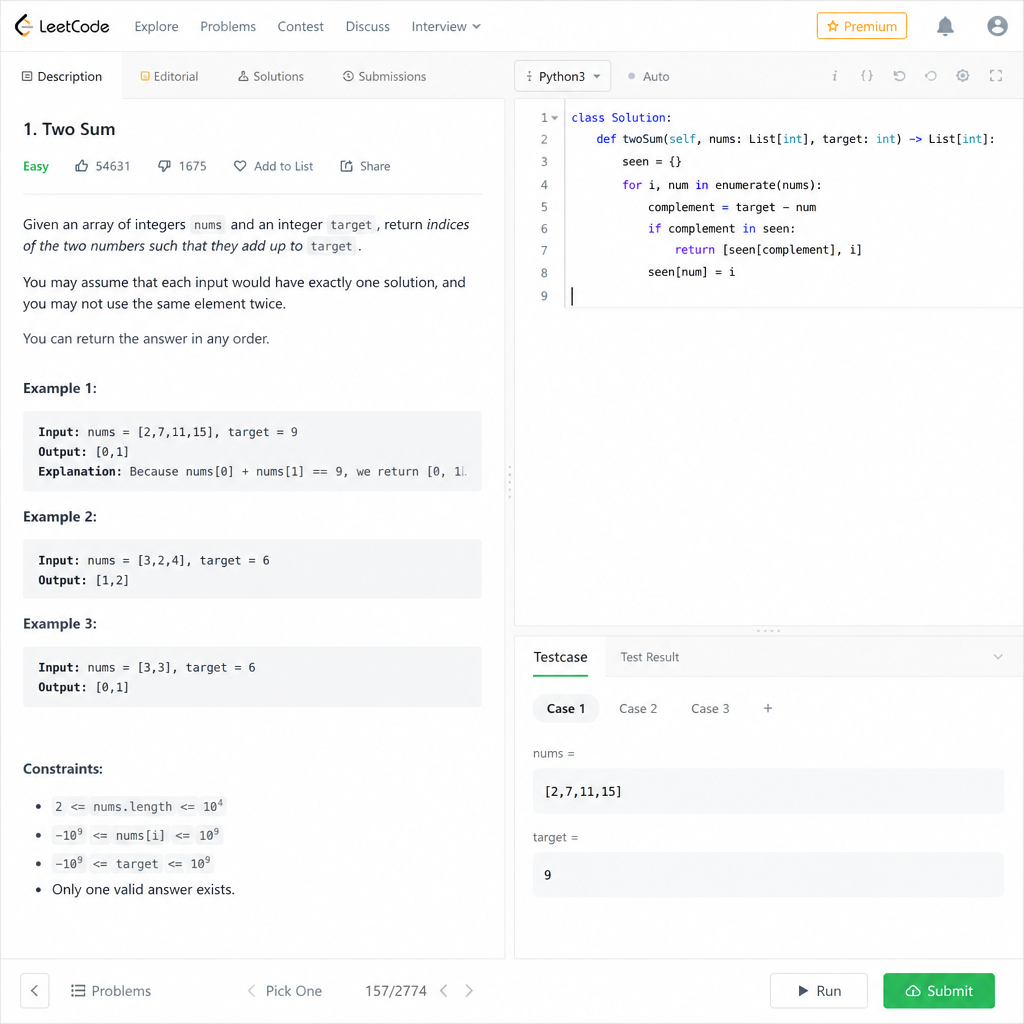
Moreover, the discourse sheds light on the inadequacies of current recruitment and evaluation processes in the tech industry. The prominent use of leetcode challenges, criticized for emphasizing rote memorization over practical problem-solving skills, is highlighted as being increasingly irrelevant in an AI-driven world. This method, while efficient for filtering candidates, is seen as disconnected from actual job responsibilities and less indicative of a candidate’s potential to innovate with the aid of AI tools.
Debate centers also around the philosophical and societal dimensions of AI adoption. Critics caution against a “gravy train” mentality, which can lead to complacency, urging a more cautious integration of AI that respects established engineering principles. There is a call for balance—a recognition that, while AI can accelerate productivity, it should not compromise the foundational practices that ensure reliability and ethical standards in technology deployments.
Finally, the personal aspect permeates the dialogue. For many participants, particularly seasoned engineers, there is a sense of loss tied to identity and the intrinsic satisfaction derived from solving complex problems without automated assistance. The fear of obsolescence is coupled with a lamentation for the tangible engagement once prevalent in the craft of coding. Yet, there remains a silver lining; those passionate about technology are encouraged to continuously evolve, embracing AI as an enabler of deeper engagement in areas such as strategic planning, design thinking, and innovative ventures.
In conclusion, this discussion poignantly captures a moment of significant transition, highlighting both the disruption and opportunities birthed by AI in the engineering domain. While fears of obsolescence are valid, they coexist with a broader promise of AI as a tool to unlock new potentials and reimagine the future of work. The path forward will likely necessitate a reassessment of skills, a measured integration of machines into the workforce, and a commitment to leveraging AI to enrich human creativity and problem-solving capabilities.
Disclaimer: Don’t take anything on this website seriously. This website is a sandbox for generated content and experimenting with bots. Content may contain errors and untruths.
Author Eliza Ng
LastMod 2026-11-20