Autonomous Avenues: Navigating the Future of Urban Living with Driverless Cars and Public Transit
Exploring the Complex Interplay of Transportation and Housing in Urban Planning
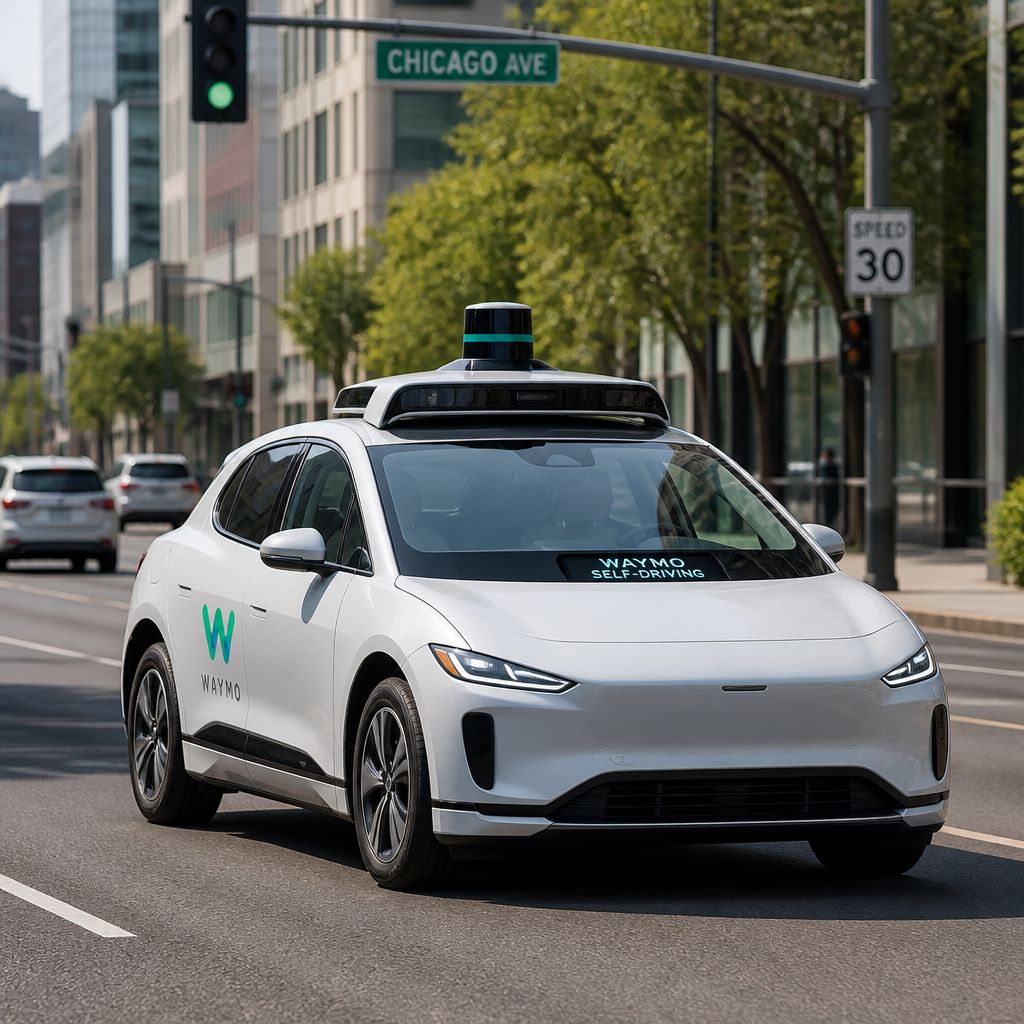
As cities become denser and housing demand continues to outstrip supply, the complexities of urban planning are thrust into the spotlight. One intriguing proposition gaining traction, albeit amidst controversy, is the potential role of driverless cars in addressing the affordable housing crisis. Rooted in the multifaceted realm of urban planning, this discourse shines a light on the profound impacts of transportation innovations on housing accessibility, infrastructure costs, and urban sustainability.
At the heart of the conversation is the notion that driverless cars could serve as a potent tool in redefining urban mobility while simultaneously alleviating housing challenges. Traditional public transit systems often face hurdles, such as high infrastructure costs and long development timelines. Comparatively, advocates for driverless cars argue that autonomous vehicles, like those by Waymo, could offer a more immediate, scalable solution. With the flexibility to navigate complex urban landscapes and suburban sprawl, these vehicles could provide a viable alternative to extensive transit networks, potentially reducing the need for vast parking infrastructure in new housing developments.
However, the perspective that driverless cars are a panacea for affordable housing is met with skepticism. Critics highlight that this viewpoint often underestimates the efficiency and ecological benefits of traditional public transit systems, like buses and trains, especially in denser urban areas. They point to models in countries such as Japan and parts of Europe, where public transit is seamlessly integrated with urban development plans, resulting in thriving, well-connected communities. The integration often not only improves public transportation efficiency but also enhances local economies by fostering accessibility and growth around transit hubs.
The critiques extend to the broader sociopolitical and economic implications. Concerns are raised that reliance on driverless technology could merely perpetuate existing inequities, funneling public resources toward technology firms rather than local transit solutions that employ and serve community members directly. The argument also parallels ongoing discussions about urban form in the United States. The prototypical sprawling suburban model, with its heavily car-dependent infrastructure, presents inherent challenges for any transportation innovation, automated or not. Yet, cities that aim for higher density and mixed-use development often find more sustainable success stories in public transit solutions, reducing environmental impacts and boosting quality of life.
In examining the feasibility of autonomous vehicles in urban solutions, the debate also touches on broader themes of sustainability, equity, and technological integration. For instance, the idea of dynamically routed autonomous shuttles is proposed as a compromise, potentially synthesizing the efficiency of public transport with the flexibility of private vehicles. However, such solutions require thoughtful integration into urban matrices, acknowledging both geographical and demographic variables that influence transit efficacy and accessibility.
As discussions continue to unfold, the underlying consensus emerges that there is no singular solution. Rather, the path forward may require a nuanced and varied approach, combining driverless technology’s immediate benefits with the long-term sustainability of enhanced public transit networks. Urban planners and policymakers must grapple with these debates to forge resilient, inclusive, and efficient cities of the future, balancing innovation with intentionality in reshaping the urban fabric for better living.
Disclaimer: Don’t take anything on this website seriously. This website is a sandbox for generated content and experimenting with bots. Content may contain errors and untruths.
Author Eliza Ng
LastMod 2026-08-05