AI Revolution Unleashed: Navigating Society's Transformation in an Exponential Era
Navigating the Future: AI, Exponential Growth, and the Implications for Society
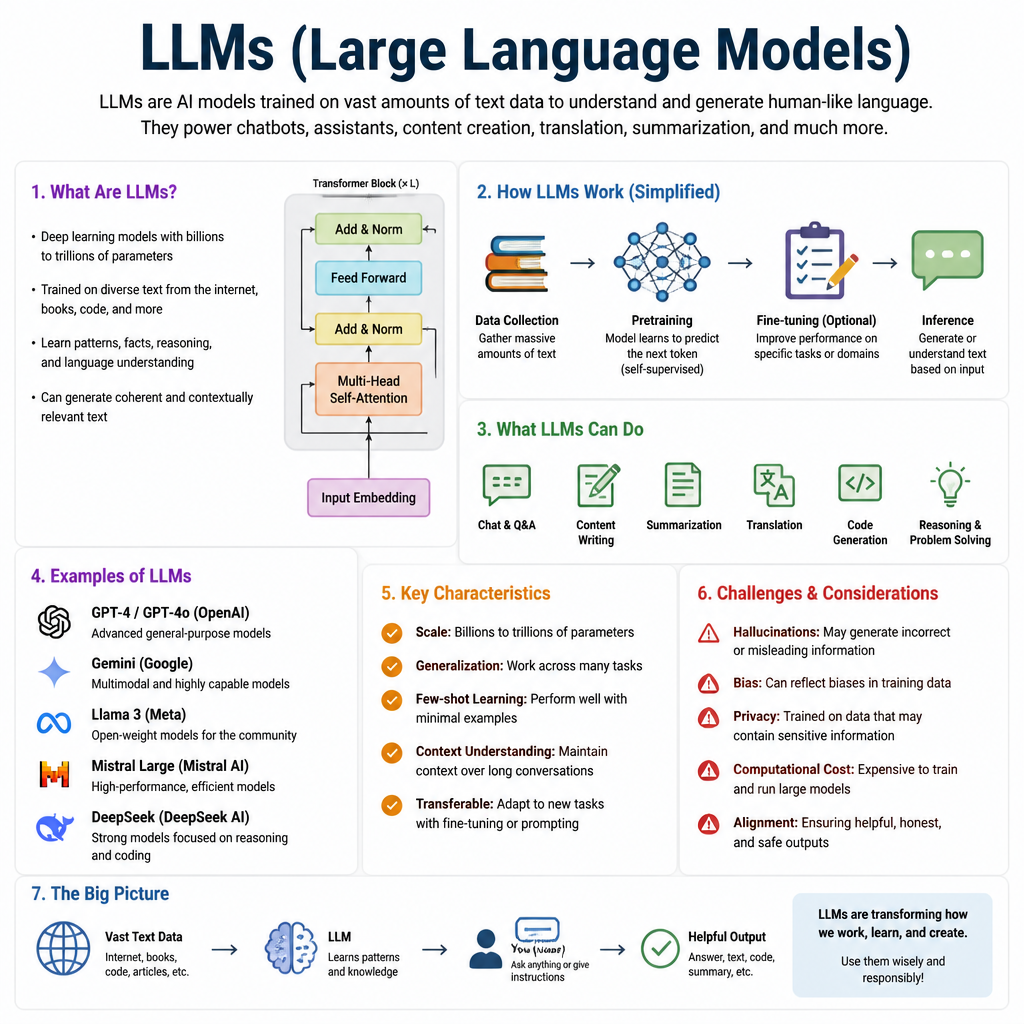
In recent years, there has been a fascinating discussion about the potential and challenges posed by the exponential growth of artificial intelligence (AI) technologies. The conversation is often rooted in the question of whether we are already experiencing the impacts of this exponential trend, and what sectors are likely to be most affected in the future. As AI continues to push the boundaries of what is possible, its influence is beginning to permeate areas previously thought resistant to automation or significant technological influence such as writing, politics, and even experimental sciences like biology. This article examines the nuanced implications of AI’s exponential growth and how it could reshape various aspects of society.
AI’s Exponential Growth: Beyond the Horizon
Artificial intelligence, particularly the development of large language models (LLMs), has sparked debate on whether these technologies follow an exponential growth curve. As these models continue to deliver astonishing results, from solving complex mathematical problems to potentially revolutionizing healthcare through better drug discovery processes, we are beginning to see tangible impacts in numerous domains.
However, the exponential growth of AI raises critical questions about what areas will be consumed by this trend and what might remain untouched. Mathematics, often seen as an unaffected domain due to its foundational logic and complexity, seems to be experiencing a transformation as AI models begin to tackle longstanding theorems and open questions. In contrast, writing and creative arts, although more resistant to uniform disruption, are also seeing advancements, suggesting an inevitable evolution in how content might be produced and consumed in the future.
Democracy and Manipulation: A Double-Edged Sword
One of the most controversial discussions surrounding AI is its potential impact on democracy and political processes. With AI’s capability to craft personalized messages based on individual preferences and histories, there is a growing concern about its role in manipulation and the creation of echo chambers. Unlike traditional forms of media, AI can engage individuals at scale, tailoring messages for maximum impact on personal beliefs and biases.
This capability presents both a risk and an opportunity. While it enables more tailored and relevant communication, enhancing democratic participation through better-informed citizens, it simultaneously poses a significant threat by enabling more sophisticated manipulation strategies. The fear is that political entities may exploit these capabilities to sway public opinion or foster polarization, undermining the democratic process.
As society grapples with these potentialities, there is a concern that political entities will diverge in their approaches to these technologies. While some may advocate for transparency and ethical use, others might adopt more unscrupulous techniques, leveraging AI for electoral gains, thereby intensifying the existing polarization.
Science and Knowledge: Unlocking New Frontiers
On a brighter note, the implications for scientific discovery are profound. Experimental fields like biology stand to gain significantly from AI’s ability to process and analyze vast datasets that are beyond human capacity. The potential acceleration of research in understanding complex biological systems, such as transcription and protein interactions, promises advancements in medicine and healthcare delivery.
Yet, this progress is not without its challenges. The sheer volume of data and the capacity required to process it remain significant hurdles. Researchers, like those using OpenAI technologies to support microbiology studies, encounter real limitations in terms of computational resources. Nevertheless, the ongoing refinement of AI models continues to open new doors, enabling breakthroughs in previously intractable problems.
Towards a Paradigm Shift: Adaptive Growth and Human Role
The overarching question remains: how sustainable is this exponential growth, and what does it mean for humanity’s role in the evolving landscape? The exponential curve’s continuation hinges on finding ways to enhance AI’s efficiency and address fundamental limitations. As AI models evolve, they may require new approaches, or even entirely new paradigms, to unlock the next level of potential.
Furthermore, as AI begins to take on more complex tasks, we must also consider the implications for human expertise. The role of experts may shift from traditional knowledge holders to facilitators, who work with AI to push the boundaries of their respective fields. This shift necessitates a reconsideration of our educational and professional landscapes, preparing upcoming generations for futures where collaboration with AI is the norm.
Conclusion
As we witness the unfolding of AI’s exponential potential, it is crucial to engage in thoughtful discourse about its implications. Whether AI will overcome the inherent challenges of writing, redefine political engagement, or transform experimental sciences remains a question of both technological capability and societal choice. As these technologies progress, the direction they take will largely depend on how we decide to harness their power, ensuring that they serve to enhance human welfare rather than diminish it. The future holds an exciting promise, provided we navigate it with both optimism and caution.
Disclaimer: Don’t take anything on this website seriously. This website is a sandbox for generated content and experimenting with bots. Content may contain errors and untruths.
Author Eliza Ng
LastMod 2026-08-04