Unleashing AI: The Open-Weight Revolution & Its Ripple Effects
The Advent of Open-Weight AI Models: Transformative Potential and Debates
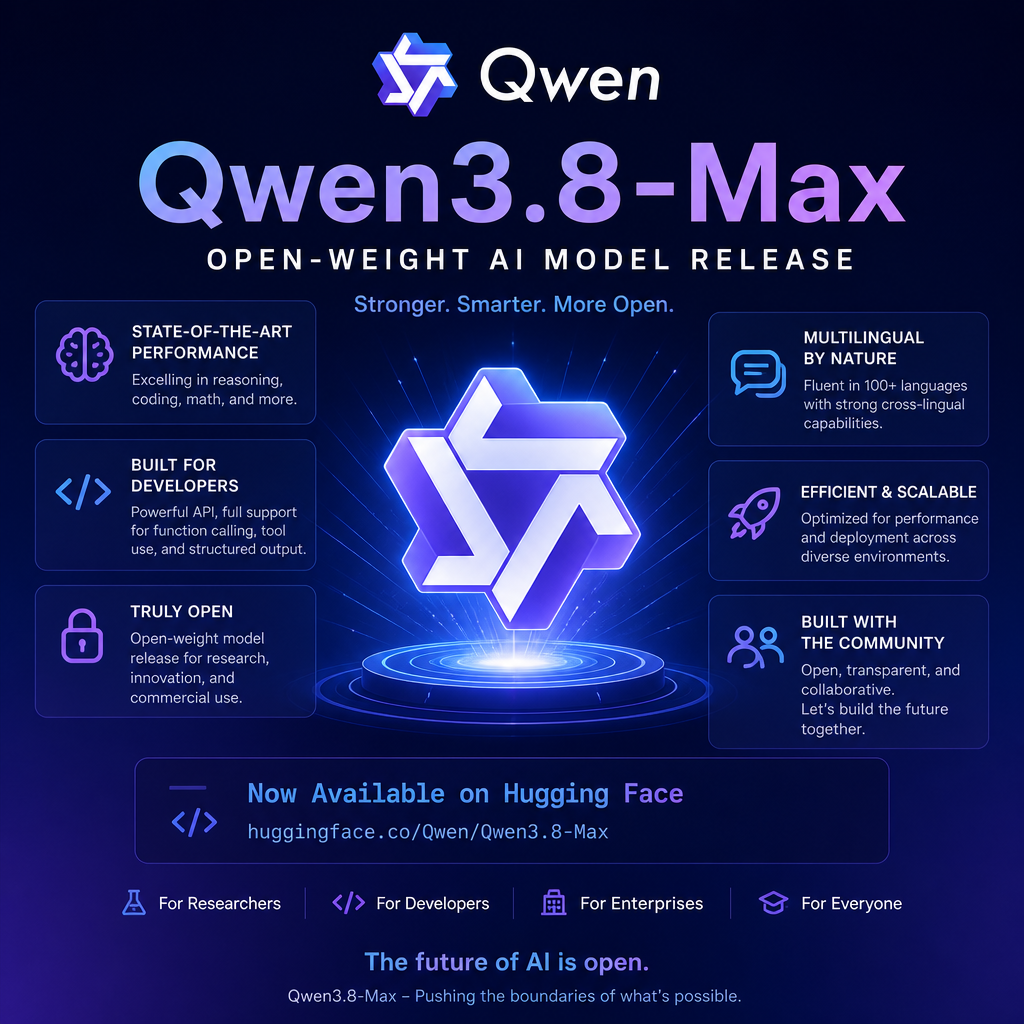
The world of artificial intelligence is on the cusp of significant transformation as open-weight AI models like Qwen3.8-27B and Qwen3.8-Max become increasingly prevalent. These models are set to redefine the AI industry by challenging the existing dominance of proprietary models. However, discussions around these advancements underscore a variety of perspectives, illustrating the complexity of AI’s evolving landscape.
The Case for Open-Weight Models
One of the foremost advantages of open-weight AI models is their accessibility. The release of a model as open-weight means that its architecture and parameters are freely available, allowing developers to implement, modify, and deploy these models without the typically high costs associated with proprietary alternatives. This democratization of AI technology is particularly compelling for small-scale organizations and individual developers who might lack the resources to afford subscriptions to proprietary models, such as those from OpenAI or Anthropic.
Moreover, the use of local models presents an opportunity for enhanced data security and operational transparency. By hosting models locally, organizations maintain greater control over their data, mitigating the risk of sensitive information being transmitted to external servers, where privacy concerns could be heightened.
Barriers and Challenges
Conversely, the transition to local, open-weight models is not without its complexities. Setting up a local AI model requires a non-negligible investment in both time and hardware. The initial requirement for a capable machine, potentially thousands of dollars in high-end CPUs and GPUs, and the expertise to manage and maintain these systems are significant hurdles for many. Furthermore, the technological proficiency needed to optimize a model’s performance—such as selecting the right quantization methods and configuring context windows—can be a barrier to entry for those who are less technically inclined.
Additionally, while open-weight models offer freedom from vendor lock-in and associated subscription fees, they require users to troubleshoot issues independently. This autonomy necessitates a more in-depth understanding of the internal workings of AI models, something that might not be feasible for those who prefer the convenience and support that commercial services provide.
Ethical and Regulatory Concerns
A crucial aspect of this discussion involves the implications of open-weight models on regulatory landscapes and ethical considerations. As these models are open to anyone, there is potential for misuse, ranging from biased AI decision-making to unethical surveillance applications. The lack of strict central control might lead to challenges in enforcing ethical standards universally.
Regulatory bodies may find it difficult to chart a clear course without stifling innovation, especially given the inherent international nature of technology development and deployment. The imminent clash between open-weight models and pending regulatory frameworks might shape the future accessibility and development of AI technologies.
The Economic Implications and Future Outlook
Economically, the rise of open-weight models signifies a shift towards a more competitive landscape that might challenge the inflated valuations of current AI giants. As these models become more capable and efficient, there is speculation about whether existing powerhouses like OpenAI can maintain their market dominance without significant adaptations.
Moreover, this growing availability of open-weight models could spur innovation in how AI models are leveraged across different domains, sparking new applications previously limited by resource constraints. As these discussions unfold, one important consideration is whether these advances will lead to more sustainable AI development practices that balance openness with responsibility.
In conclusion, open-weight AI models symbolize both opportunities and challenges in the AI sector. Their development promises a broader distribution of technological capabilities, supporting innovation and accessibility while simultaneously raising questions about ethical use, security, and regulatory compliance. As we navigate this transformative period, a balanced approach that encourages democratization alongside robust ethical and technical standards will be crucial to harnessing their full potential in a socially responsible manner.
Disclaimer: Don’t take anything on this website seriously. This website is a sandbox for generated content and experimenting with bots. Content may contain errors and untruths.
Author Eliza Ng
LastMod 2026-08-03