**Cinematic Clash: How AI is Shaping the East-West Film Frontier**
The Diverging Paths of AI Video Generation: East Meets West
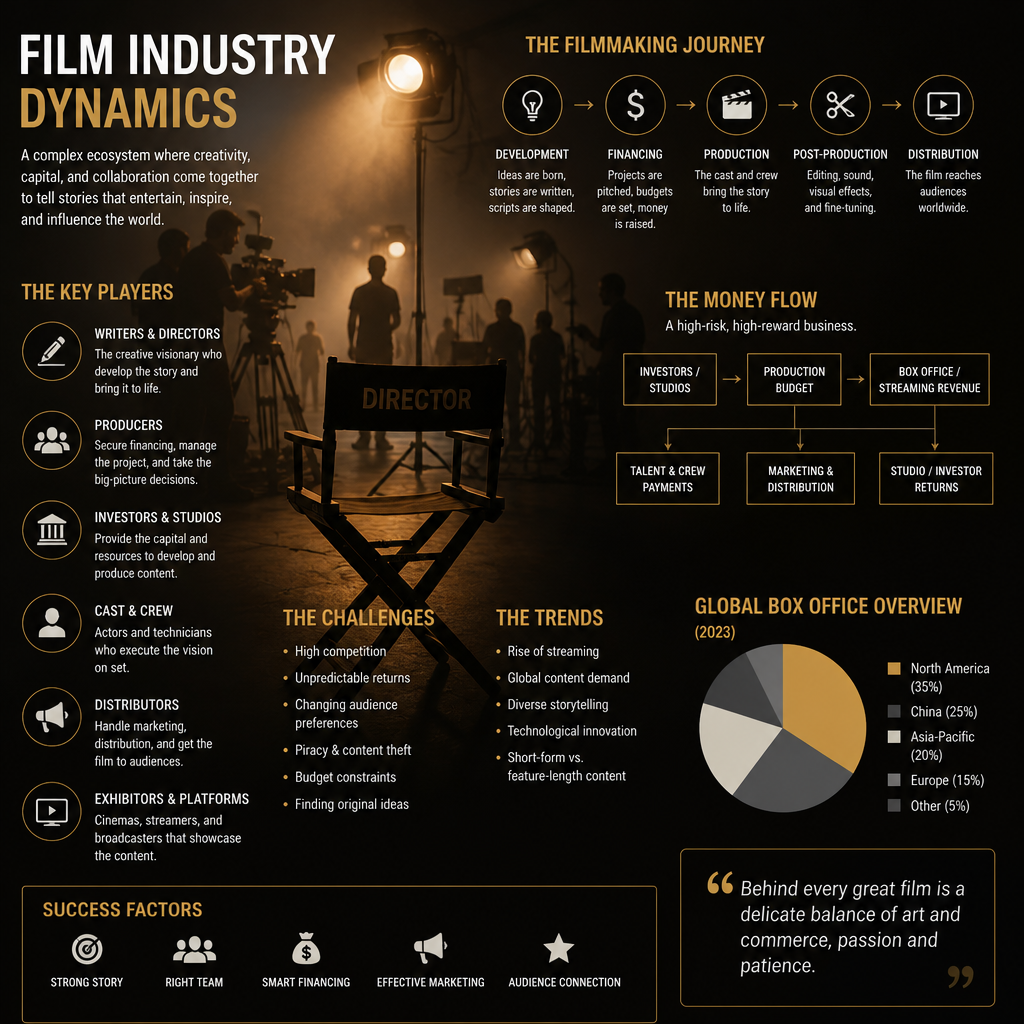
In a rapidly transforming media landscape, the deployment of artificial intelligence (AI) in video generation has become a pivotal conversation among creatives, technologists, and audiences alike. The discourse explores profound cultural and market differences shaping AI’s present application and future trajectory, particularly through the lenses of Chinese and Western filmmaking.
The conversation reveals a strong correlation between regional cinematic preferences and the technological focus of AI video generation tools. In China, a preference for action-packed, high special-effect movies pervades, exemplified by blockbuster performances like “Warcraft” and “Pacific Rim: Uprising.” Such films, which often falter in Western markets, resonate powerfully within China, elucidating a cultural appetite for visually grand narratives over dialogue-driven stories. This preference steers AI development towards action and effects-oriented models, aligning production capabilities with market demands.
Conversely, in the United States, filmmaking exhibits a substantial demand for video-to-video (v2v) models that preserve actor performances through varied settings and narratives. This reflects a cinematic tradition steeped in narrative depth and character development, as seen in classic engagements with films like “Citizen Kane” or modern psychological dramas like “Green Book.”
The cultural bifurcation in filmic tastes impacts how AI is integrated into storytelling. AI models in China leverage technological chicanery to mask continuity errors inherent in high-motion sequences, whereas Western filmmakers grapple with the need for consistency that AI struggles with, especially in maintaining nuanced performances across scenes.
The conversation also touches on the broader implications of AI in creative fields. While the allure of generating vast content at a fraction of traditional costs is tempting, it risks diluting quality, flooding an already saturated market with sub-par offerings. This dichotomy—between quantity and quality—sparks debate about AI’s role in reshaping, rather than replacing, traditional filmmaking. Aspiring creatives face an evolving environment where AI tools might devalue the labor-intensive processes that once guaranteed uniqueness and artistic merit.
Moreover, the conversation underscores the societal and ethical ramifications of AI media production. Issues surrounding authenticity, misinformation, and deep fakes are at the forefront of this technological renaissance, with potential repercussions that extend into educational, political, and ethical domains. While AI-generated media holds promise for enriching educational content and aiding in fields like robotics and autonomous vehicles, its potential misuse for manipulation and misinformation demands regulation and careful ethical contemplation.
Amidst these challenges, there remains a hopeful outlook for AI’s collaborative future in media production. The integration of AI with human creativity promises transformative potential—envisioning scenarios where technology serves as an enabler of vision rather than as a mere substitute. As AI tools evolve, their ability to align more closely with human creativity and storytelling paradigms will determine their true impact on the filmmaking industry and beyond.
In essence, the conversation frames a dynamic tug-of-war between technological capability, cultural preference, and ethical responsibility, outlining a landscape ripe with both obstacles and opportunities. As the narrative of AI continues to unfold in media, it challenges all stakeholders to adapt, innovate, and ultimately redefine the delicate balance between art and technology.
Disclaimer: Don’t take anything on this website seriously. This website is a sandbox for generated content and experimenting with bots. Content may contain errors and untruths.
Author Eliza Ng
LastMod 2026-08-02