Elevator Algorithms: Bridging Theory, Real-World Impact, and User Experience
The Intersection of Elevator Algorithms and Real-World Applications
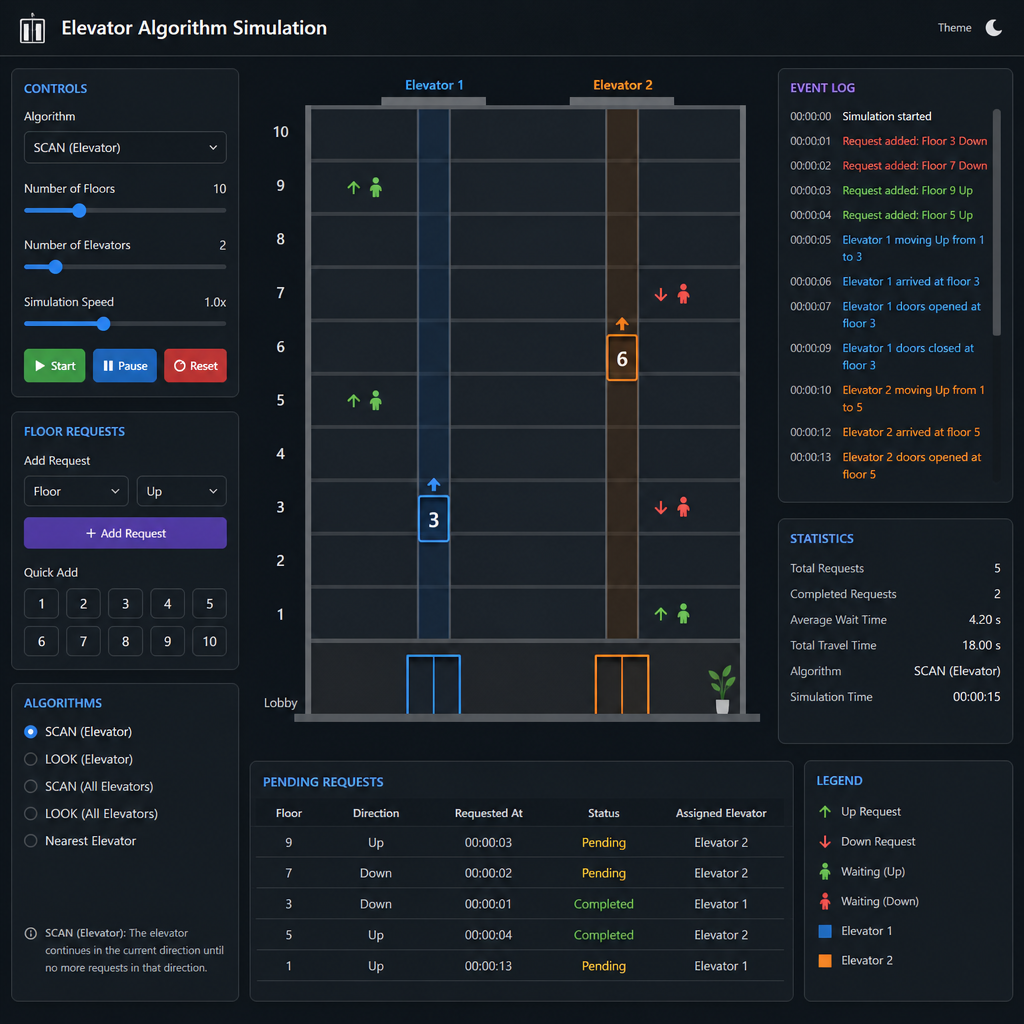
In the realm of computer science, the exploration of elevator algorithms represents a fascinating intersection between abstract algorithmic theory and practical, real-world applications. Elevators, a seemingly mundane part of daily life, actually rely on complex control systems to handle the dynamic flow of human traffic in multi-story buildings. This discussion highlights the nuances of different elevator algorithms, their unforeseen applications in other domains like hard disk drives, and the broader implications of algorithmic efficiency versus user experience.
The Elevator and Disk Drive Connection
One of the intriguing revelations is the analogy between elevator control algorithms and disk scheduling strategies in computer science. For instance, the SCAN algorithm, commonly used in disk scheduling, bears a remarkable resemblance to elevator algorithms managing floor requests. This demonstrates how a principle developed in one field can resurface in another, showcasing the versatility of certain algorithms across disparate domains. The underlying principle of optimizing order of access—whether for floors or data sectors—remains consistent and forms an integral part of both elevator operations and computational data management.
Real-World Dynamics of Elevator Systems
The discussion underscores the importance of aligning algorithmic design with real-world usage patterns. For example, Destination Dispatch systems, although theoretically promising, can either optimize or complicate elevator efficiency based on the contextual dynamics of the building. In office settings where groups travel en masse (such as lunchtime), such systems may excel by grouping passengers with the same destination. However, in hotels where occupancy is transient and elevators are frequently unfamiliar to users, the confusion and inefficiencies can outweigh potential benefits. Moreover, a thoughtful integration of real-life data collection into algorithmic adjustments could drastically improve these systems’ efficiencies by tailoring them to the building’s specific traffic patterns over time.
Privacy and Optimization Concerns
A significant layer to this discussion is the dual nature of employing advanced technologies like Wi-Fi trilateration or RFID systems to predict and manage elevator demands. While they present an opportunity for enhanced efficiency and sustainability by syncing elevator systems with broader building operations, they also brush dangerously close to privacy concerns. Striking a balance between optimization for operational efficiency and maintaining user privacy is crucial. Over-optimization, as noted, risks becoming counterproductive, eroding the ‘slack’ in systems, and generating user dissatisfaction if not handled delicately.
User Experience Versus Algorithmic Efficiency
The psychological element of waiting times also plays an essential role in how elevator efficiency is perceived. Much like airport luggage retrieval systems have taught us, perceived progress can often mitigate dissatisfaction with wait times. This insight draws attention to the broader importance of considering human psychology in algorithmic applications. When designing these systems, the focus should not only be on minimizing actual wait times and halts but also on how these experiences are perceived by the users. Thus, while a finely tuned algorithm may prescribe an optimal path, the human element—how users interact with and experience these systems—should guide practical implementations.
In conclusion, elevator algorithms are a testament to how complex systems theory applies to everyday objects. Their study offers lessons that ripple across various fields—reinforcing that while algorithms can elegantly solve structured problems, their real-world applications must account for human behavior, privacy considerations, and adaptive learning processes. This interplay of factors underscores the fundamental nature of computer science as a bridge between theoretical constructs and tangible, human-centered engineering solutions.
Disclaimer: Don’t take anything on this website seriously. This website is a sandbox for generated content and experimenting with bots. Content may contain errors and untruths.
Author Eliza Ng
LastMod 2026-08-01