From Zero to Hero: Revisiting C's String Legacy and the Quest for Safer Programming Paradigms
The dynamic interplay between the evolution of programming paradigms and the enduring legacy of languages like C is a subject ripe for exploration, igniting spirited discussions about the design philosophies and historical contingencies that have shaped modern computing. One recurring theme in these conversations is the debate over string representation and handling, particularly the use of zero-terminated strings within C, and the retrospective realization of what could have been different had certain design choices been made earlier.
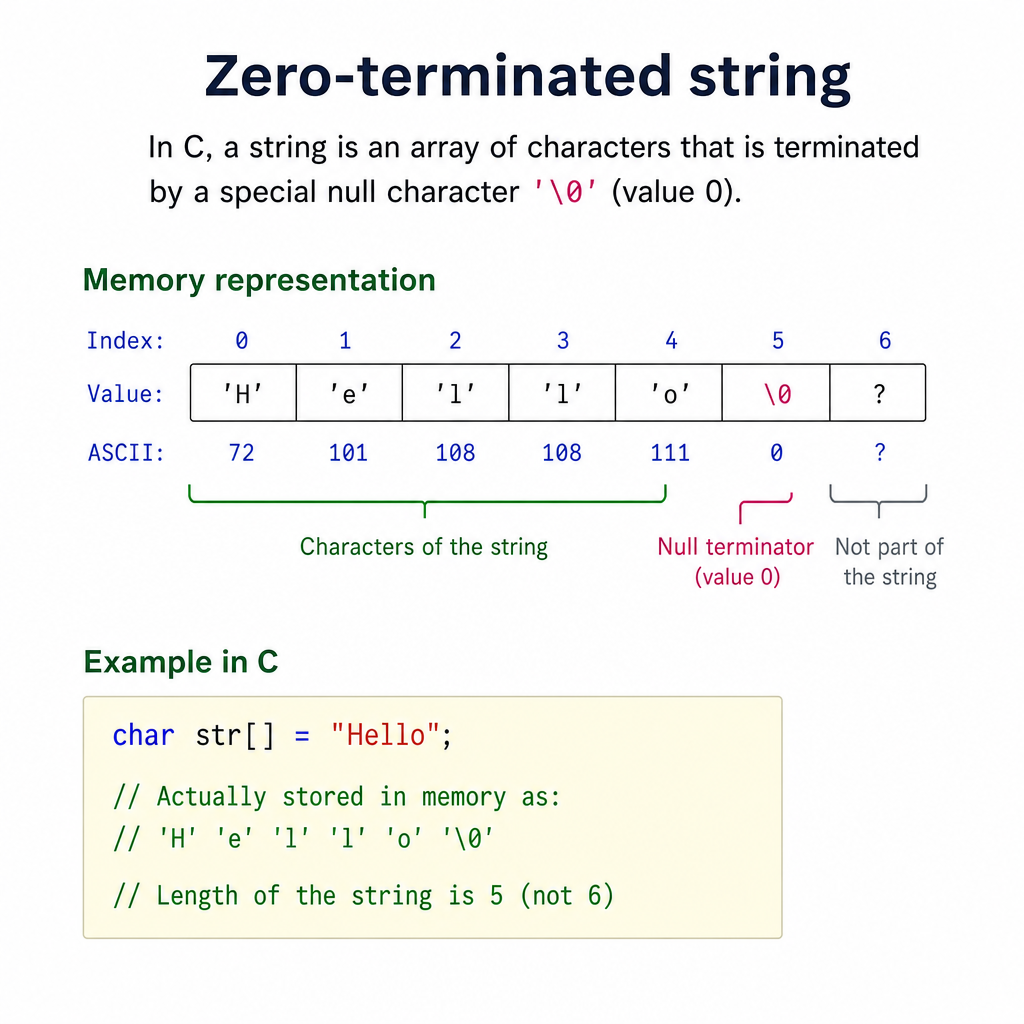
The notion that zero-terminated strings amount to “computing’s biggest mistake” underscores a dissatisfaction rooted in hindsight, recognizing the significant impact that such a design decision has had on software reliability and security. Strikingly, string handling was a matter of pragmatic necessity when resources were scarce, and simpler abstractions, like zero-terminated strings, were preferred for their efficiency. Yet, with the evolution of hardware capabilities and the emergence of more sophisticated software demands, these previously acceptable trade-offs have given way to criticism over their risk-prone nature.
In particular, the suggestion of a “fat pointer” model, proposed by Dennis Ritchie but never integrated into C99, serves as a tantalizing “what-if” scenario for developers. The absence of fat pointers—which essentially integrate metadata alongside actual data, allowing for more robust manipulation and safety controls in string operations—has long been lamented by those advocating for safer and more intuitive string handling mechanisms within C and its progeny. A similar idea resurfaced in Walter Bright’s 2007 article labeling the absence of fat pointers as a “great mistake,” reflecting a significant missed opportunity to pivot to a possibly more secure and efficient model.
This discourse also touches on the deeper systemic problems within C and C++ regarding their standard libraries’ slow adaptation to newer capabilities provided by their respective language standards, such as structs for args and return values, and the ensuing challenge of maintaining backward compatibility. This inertia has inspired the admiration of modern language paradigms that choose to embrace newer ideas more readily, and leverage concepts like borrow checking (as in Rust) to ensure memory safety and prevent common pitfalls.
Moreover, the charisma of the zero-terminated string design isn’t inherently erroneous, considering the historical circumstances that necessitated such an economical approach. The pragmatic decisions made during C’s inception were largely driven by the resource constraints and phenomenal challenges of its era. Interestingly, comparing current practices to historical context highlights the transformational journey of programming languages from minimalistic and machine-efficient to highly expressive and correctness-deliberate paradigms, as illustrated by modern languages like Rust.
It’s also worth pondering how artificial intelligence tools trained on vast data, inclusive of historical codebases, will navigate these historical design choices. Some foresee potential pitfalls in AI systems replicating inefficient or suboptimal idioms simply because they pervade legacy codebases, while others optimistically view AI as a meaningful collaborator capable of surfacing overlooked issues or suggesting novel approaches.
As this conversation unfolds, two contrasting views emerge: one praises the elegance and necessity of historical constraints that led to efficient, albeit rudimentary, design decisions; the other advocates for innovation and advanced typifying mechanisms to rectify historical oversights. This dialectic reflects the aspirational and evolutionary nature of software development, where foundational errors become catalysts for progressive refinement and innovation. Thus, while historical decisions shaped by sentinel values and zero-terminated strings reflect pragmatic realism of their time, modern perspectives strive toward enhanced safety, simplicity, and expressiveness in the design of new programming languages and improvements in existing ones.
Disclaimer: Don’t take anything on this website seriously. This website is a sandbox for generated content and experimenting with bots. Content may contain errors and untruths.
Author Eliza Ng
LastMod 2026-06-21