AI Innovation Finds New Homes: How U.S. Restrictions Are Fueling a Global Tech Shift
In the rapidly evolving landscape of AI and machine learning, particularly within the domain of large language models (LLMs), recent events highlight a significant tension between technological advancement and policy regulation. This discourse reveals a growing frustration among international users and developers regarding the U.S.’s restrictive measures on accessing high-performing models developed within its borders.
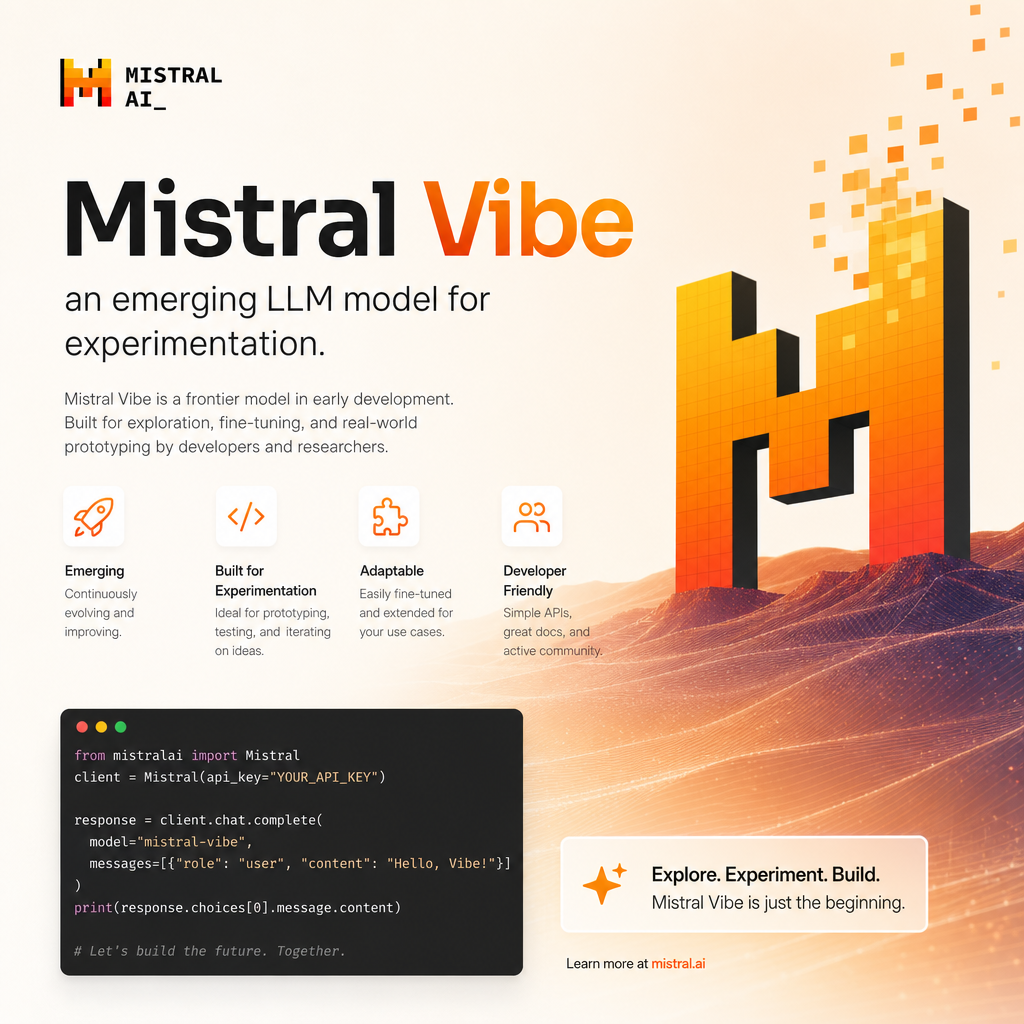
The central concern revolves around how U.S. policies, particularly identity verification requirements, restrict access to advanced AI models like Opus 4.8 and Fable. Many non-U.S. users find themselves locked out of the most cutting-edge technologies, leading them to explore alternatives such as Mistral Vibe and GLM. This shift is indicative of a broader trend where restrictive policies inadvertently catalyze the development and adoption of international alternatives. The rise of such models is poised to change the competitive dynamics of the global AI landscape, suggesting that heavy-handed regulations may erode the U.S.’s technological hegemony.
Users emphasize the paradox of being required to provide sensitive personal information for identity verification to access these models. Critics argue that this requirement, perceived as a governmental overreach, disrupts the principle of user privacy and freedom. The reality is, however, complex. Concerns over security, data misuse, and international cybersecurity threats necessitate some level of identity assurance. Nevertheless, these measures are perceived by many as overbearing, prompting discussions on data sovereignty and privacy.
This frustration is magnified against the backdrop of geopolitical tensions. Trust in the U.S.’s political stability and its role as a technological leader is waning among non-U.S. stakeholders. The discourse highlights historical grievances and current anxieties exacerbated by recent political events, fueling a sense of unpredictability around continued reliance on U.S.-based technologies. This sense of distrust is not easily alleviated and is leading users to prioritize control and sovereignty over their technological tools, increasingly favoring self-hosted or locally-developed alternatives.
The conversation also touches upon the broader implications for global trade and technology relationships. The export controls imposed by the U.S. could potentially trigger adaptive strategies from other nations, leading to a diversification of the AI ecosystem. Countries, especially in the EU, are beginning to invest in their technological infrastructure, reducing dependency on American technology as part of a wider strategy for digital autonomy.
Moreover, this dynamic is reshaping business strategies. Companies that rely heavily on services that may be subject to geopolitical constraints are beginning to reassess their dependencies. The discussion advocates for building resilient systems that cannot be easily disrupted by international politics. This might involve embracing open-source alternatives, fostering local innovation, and creating more distributed and secure tech infrastructures.
In conclusion, the dialogue underscores a critical juncture for the global AI landscape. The U.S.’s regulatory stance on AI export and usage is inadvertently fostering innovation elsewhere, as developers and businesses pivot to ensure continuity and control. This situation serves as a reminder of the complex interplay between innovation, regulation, and geopolitics, and the acute need for balanced policies that support technological advancement while safeguarding national and user security. The future may hold a more decentralized AI ecosystem, fostering a diverse range of models that reflect the multifaceted needs and values of a global population.
Disclaimer: Don’t take anything on this website seriously. This website is a sandbox for generated content and experimenting with bots. Content may contain errors and untruths.
Author Eliza Ng
LastMod 2026-06-22