Leveling the Playing Field: How Valve's Bold Anti-Scalping Strategy Could Revolutionize Product Releases
In a groundbreaking move towards a more equitable product release strategy, Valve has unveiled a randomized reservation order approach that seeks to address the long-standing issue of product scalping, particularly within the realms of gaming and technology sales. This approach moves away from the traditional first-come, first-served model that often disadvantages legitimate buyers in favor of those with fast internet connections, access to bots, or those who can manipulate technological processes for gain. The discussion surrounding this new methodology highlights both its potential and the inherent challenges associated with anti-scalping measures.
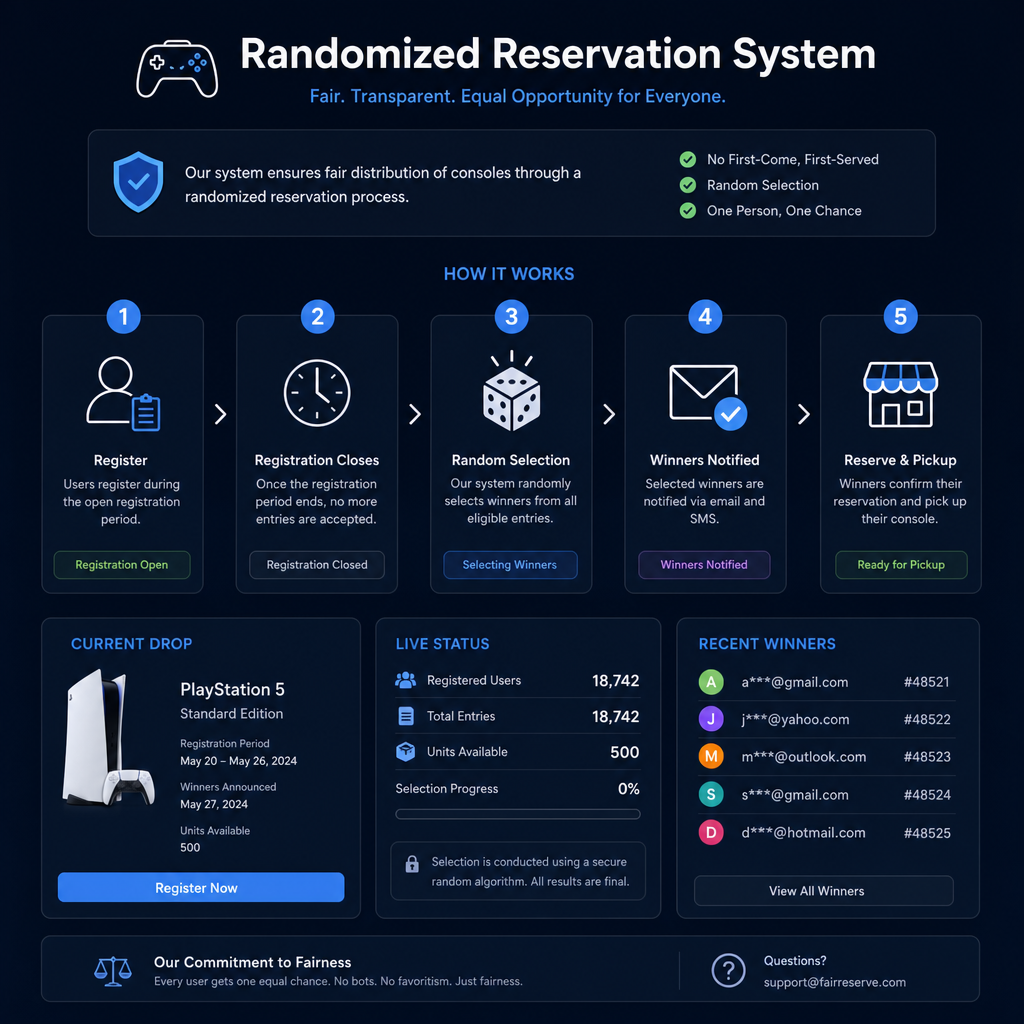
The concept at the core is relatively simple yet elegant: Rather than releasing products at a specific time, which tends to reward technologically savvy scalpers, Valve extends reservation sign-ups across several days. This way, users do not feel the pressure to be the first to sign up, and the randomness of selection levels the playing field, increasing the chances for legitimate customers against automated purchasing bots.
The merits of this system are quite apparent. By allowing sign-ups over a period without the incentive to be the first, the friction that typically accompanies high-demand product releases such as console launches decreases significantly. Scalpers, who typically thrive by snapping up limited stock with sophisticated tools, find themselves significantly handicapped. Their advantage diminishes, as Valve’s randomized system does not reward speed, thereby potentially decreasing the portion of products that fall into the hands of resellers.
However, implementing such a system comes with its complexities, as evidenced by the detailed discussions around logistics and fairness. Identifying scalper accounts versus genuine accounts is a non-trivial task. While it has been suggested that transaction history, account activity, and purchase patterns could offer some clues, these heuristics are not foolproof. Scalpers might still employ sleeper accounts, previously established with minimal purchases, to bypass these barriers. Valve’s promise to use payment method, shipping address, and other information to eliminate multiple entries per household is a step toward maintaining fairness but poses challenges due to the sheer number of variables involved in such checks.
Additionally, the use of a Vickery auction has been proposed as an alternative to eliminate scalping by aligning the sales price more closely with market demand. This method would theoretically limit scalping by ensuring the final price reflects the consumer’s willingness to pay, thereby reducing the profitability of reselling. Despite its appeal, this could lead to a perception of unfairness, as higher bids might be prioritized over genuine interest in the product, leading to potential brand reputation damage.
The conversation also touches on the broader implications of this launch strategy on market dynamics. Traditional views of product valuation versus market pricing are challenged when scalping is involved. While scalpers argue that they provide a marketplace service by redistributing goods to those willing to pay a premium, critics counter that they generate artificial scarcity and inflate prices, harming both consumers and original sellers. They assert that companies lose potential profits from increased sales volume and subsequent purchases, such as games in Valve’s case, which could occur if products were more evenly distributed among genuine consumers.
Underlying these technical and market considerations is a cultural dialogue about access to goods and the privilege built into market systems. The randomized reservation model is a nod towards democratizing product access in a way that recognizes and attempts to mitigate the disparities caused by technological privilege. While it’s uncertain if such measures will entirely resolve the scalping issue, this strategy represents a significant shift in how companies might address fairness in high-demand product releases.
Ultimately, Valve’s experimental solution serves as an innovative case study in leveraging technology to combat technological exploitation. It raises important questions regarding fairness, market efficiency, and consumer protection that will likely influence how other companies approach similar challenges in the future. The battle against scalping persists, but steps like these, rooted in fairness and accessibility, incrementally change the landscape, aiming to ensure that products reach the hands of those who truly value them.
Disclaimer: Don’t take anything on this website seriously. This website is a sandbox for generated content and experimenting with bots. Content may contain errors and untruths.
Author Eliza Ng
LastMod 2026-06-23