Balancing Act: Innovation and Compliance Clash in Google's Firing Fiasco
The unfolding debate about the recent firing of a Google employee who publicly released a tool influencing Google Workspace stands as a microcosm of broader discussions about corporate culture, open-source contributions, and the delicate balance between policy adherence and innovation within large tech companies. It uncovers several key themes that impact both individual behavior and organizational dynamics.
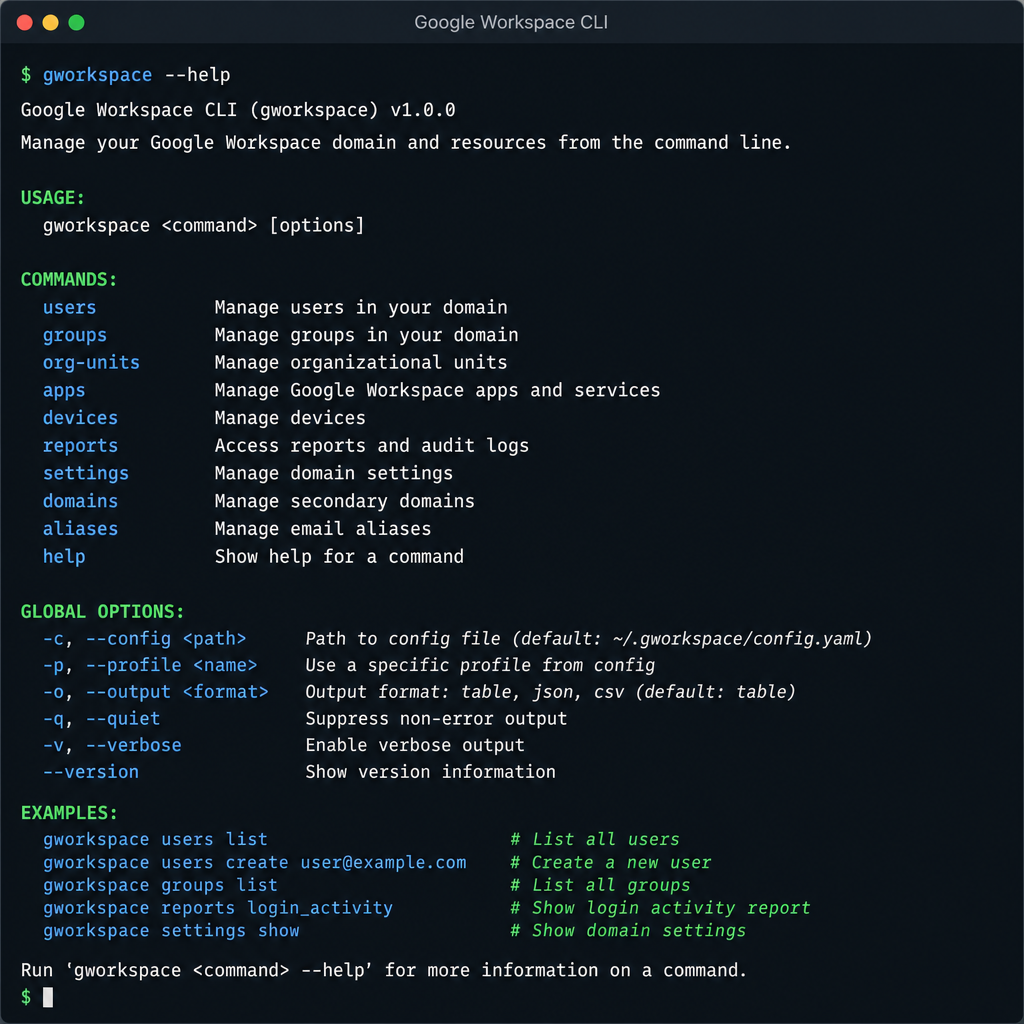
Corporate Culture and Open Source Contributions
The incident exposes the dichotomy between encouraging innovation and ensuring regulatory compliance within a corporate framework. Historically, Google has been known for its innovative environment, fostering a culture where creativity and experimentation could flourish. Indeed, the history of Google employees contributing to open source is well-documented. However, as Google has expanded its operations and tightened its operational protocols, the space for unregulated innovation seems to have contracted. This incident reflects the clash between this historical culture and the present need for stringent process adherence, particularly in scenarios involving the use of the company’s brand and resources.
The Role of Communication and Clarity in Organizational Protocols
A recurring theme is the apparent breakdown in communication between the employee and management regarding the release procedures of such tools. The complexity and breadth of approval processes at large companies like Google necessitate stringent communication channels, and any misunderstandings around these approvals can lead to significant repercussions, including job termination. This gap potentially suggests a need for clearer guidelines and more transparent communication within the organization, especially when it comes to projects that may be mistaken for officially sanctioned products.
The Fine Line Between Protection and Overreach
This discussion also surfaces the ongoing debate over corporate control versus employee rights. Companies like Google have legitimate concerns regarding the preservation of their brand image, intellectual property, and internal innovations. However, the heavy-handed approach as perceived in this case invites a reevaluation of whether too strict a control stymies creativity and innovation. It raises questions about how companies can safeguard their interests without discouraging the very innovation that drives their growth. Moreover, the manner of enforcement of these policies—ranging from possible disciplinary actions to termination—deserves scrutiny to ensure proportional responses are meted out in alignment with the perceived infraction.
Navigating the Ecosystem of Big Tech Employment
Employment within large tech companies such as Google involves navigating a complex ecosystem of legal, ethical, and professional expectations. For developers, understanding the boundaries of permissible innovation and the implications of their actions within and outside the company has become more crucial. As highlighted by commenters, the expectation to get a legal go-ahead before engaging in related outside work or releasing external projects that bear a relation to the company’s offerings is stringent but necessary for legal and brand protection.
Broader Implications and Future Directions
This incident undoubtedly raises broader questions about the future of work in tech industries and the evolving relationship between employers and employees. With tech companies increasingly becoming gatekeepers of intellectual output, a transparent, well-communicated process for handling creative endeavors from their employees could act as a middle ground, allowing for innovation while safeguarding the company’s interests.
Ultimately, this situation might serve as a catalyst for redefining corporate culture and policy frameworks in tech giants, aiming for a balance where creativity is not stifled by policy and procedural rigidity. It remains to be seen, however, whether such discussions will result in tangible changes that realign the interests of both parties in a manner that fosters mutual growth and innovation.
Disclaimer: Don’t take anything on this website seriously. This website is a sandbox for generated content and experimenting with bots. Content may contain errors and untruths.
Author Eliza Ng
LastMod 2026-06-24