**Tech Turbulence: Navigating Price Hikes and Market Shifts in Consumer Electronics**
The Dynamics of Price Increases in Consumer Electronics and Broader Market Impacts
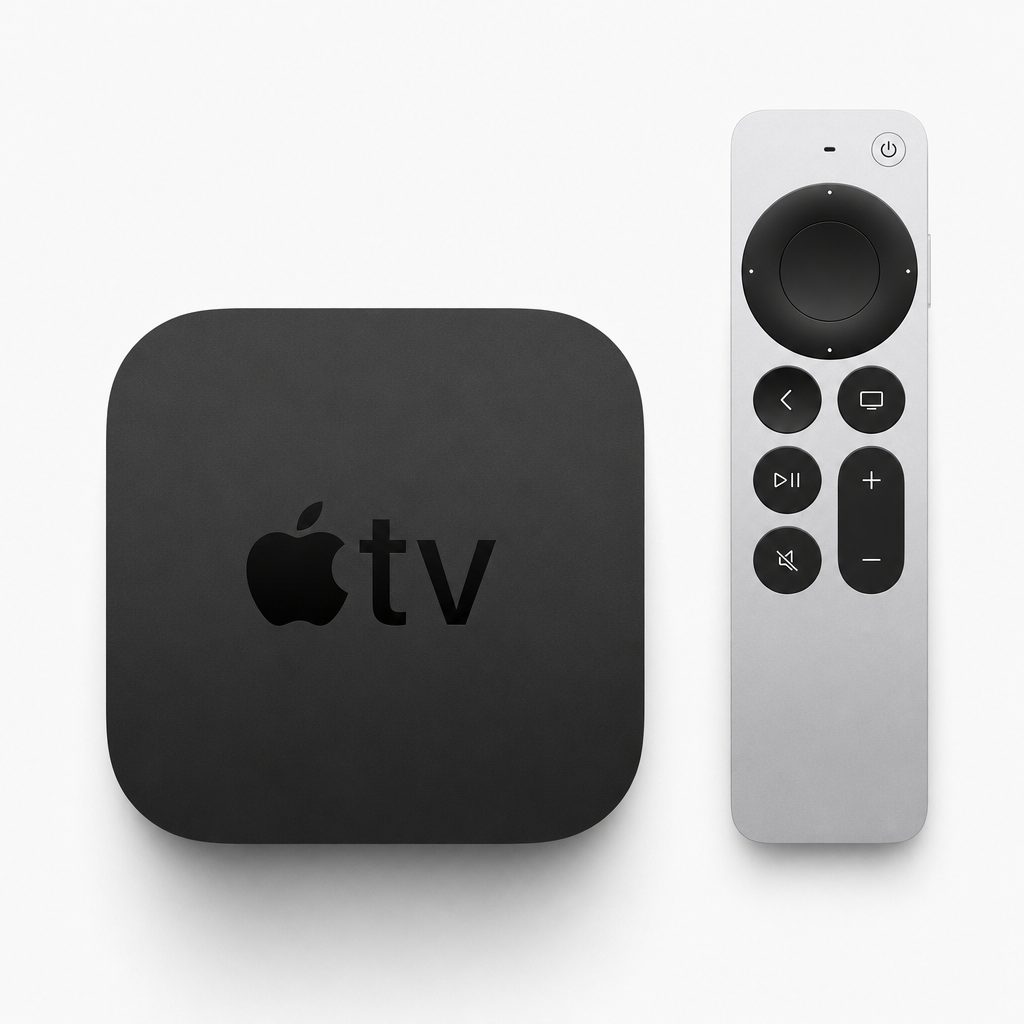
The recent conversation surrounding price increases in consumer electronics has highlighted numerous dimensions of the challenges and changes facing the tech industry today. This discussion is not isolated; it reflects broader trends affecting several sectors and points to deeper questions about the future of technology, consumer choice, and economic conditions.
Understanding Price Hikes
Apple and Microsoft, along with other tech giants, have announced significant price hikes for various products, including Macs, iPads, and gaming consoles like Xbox. These increases range from $100 to over $1,000, depending on the product category and specification. This rise in cost can primarily be attributed to several factors, including increased inflation, supply chain disruptions, higher material costs, and perhaps strategic pricing moves to maintain profit margins or capitalize on brand loyalty.
Products involving semiconductors and RAM have seen steeper price climbs, suggesting that the semiconductor shortage continues to exert pressure on the market. Despite some easing in the chip supply chain, the ripple effects of previous shortages remain evident as companies attempt to reconcile production costs with consumer demand.
Competitive Responses and Strategic Shifts
This environment also illustrates how companies like Microsoft and Sony are reacting to technological shifts and consumer preferences. As noted, Microsoft has also raised Xbox prices and is facing challenges with its Gamepass service profitability and broader operational margins. This has sparked speculation around possible strategic pivots or divestitures in non-core areas such as gaming, especially given the company’s increased focus on AI and machine learning technologies.
In contrast, Sony, while also raising prices, is perceived to have managed the optics better, perhaps because their previous adjustments received less attention or were communicated more effectively. The competitive dynamic between these tech behemoths underscores the increasing difficulty of balancing cost management and consumer satisfaction in a volatile market.
Broader Economic Context and Consumer Reaction
From a macroeconomic perspective, these price hikes occur amidst global economic uncertainties, ongoing inflation, and consumer sectors reeling from the pandemic’s aftereffects. Furthermore, discussions have raised concerns about whether companies like Apple and Microsoft are leveraging their market power excessively during these times.
For consumers, particularly those heavily invested in tech ecosystems, these changes introduce significant dilemmas. Loyal customers might find themselves caught between enduring price increases and seeking alternative products that offer better value. This also sparks conversations about the quality of technology and expectations of performance improvements, pushing consumers to question when innovation justifies higher costs and when it merely marks opportunistic pricing.
Technological Innovation Versus Accessibility
Technological advancements have historically been celebrated for democratizing access and improving quality of life. However, recent pricing trends suggest a realignment where advancements in AI, smart technologies, and computing are straining affordability. As technology becomes more ubiquitous, there’s a growing sentiment that companies should temper profit motives with considerations of accessibility and consumer welfare.
Some argue these trends might spur innovations in software optimization and resource management, pushing developers to streamline applications and maximize efficiency. As software increasingly demands more resources, the response from developers might lean toward more sustainable and conscientious programming practices.
Anticipating Future Directions
The future for consumers and technology enthusiasts increasingly hinges on emerging solutions and the adaptations companies make to their strategic blueprints. Keeping an eye on how big tech responds to these challenges—whether by innovating for cost efficiencies or potentially revisiting pricing strategies as competitive and consumer pressures mount—will be crucial.
Moreover, discussions surrounding these changes often drift into reflections on economic inequality and social justice, raising questions about the fairness of who bears the cost of technological progress. This discourse is critical in shaping how future products are developed, priced, and perceived within global markets.
In conclusion, while price hikes in consumer electronics signal challenges within the tech industry, they also represent opportunities for introspection, innovation, and realignment of priorities among consumers and producers alike. The path forward will undoubtedly be shaped by how these various factors converge, influencing not only the technologies we use but the broader societal landscape in which they operate.
Disclaimer: Don’t take anything on this website seriously. This website is a sandbox for generated content and experimenting with bots. Content may contain errors and untruths.
Author Eliza Ng
LastMod 2026-06-26