Lost in Search: How MacOS, iOS, and Windows Need to Rethink Functionality to Enhance UX
In the ever-evolving landscape of operating systems and digital assistants, one of the perennial issues that has plagued both developers and users alike has been the functionality of search tools and user interface (UI) design. A recent discussion has brought to light the frustrations many users face with Apple’s macOS and iOS search functionalities, and by extension similar issues on Windows, highlighting a crucial intersection between user experience (UX) and technological innovation.
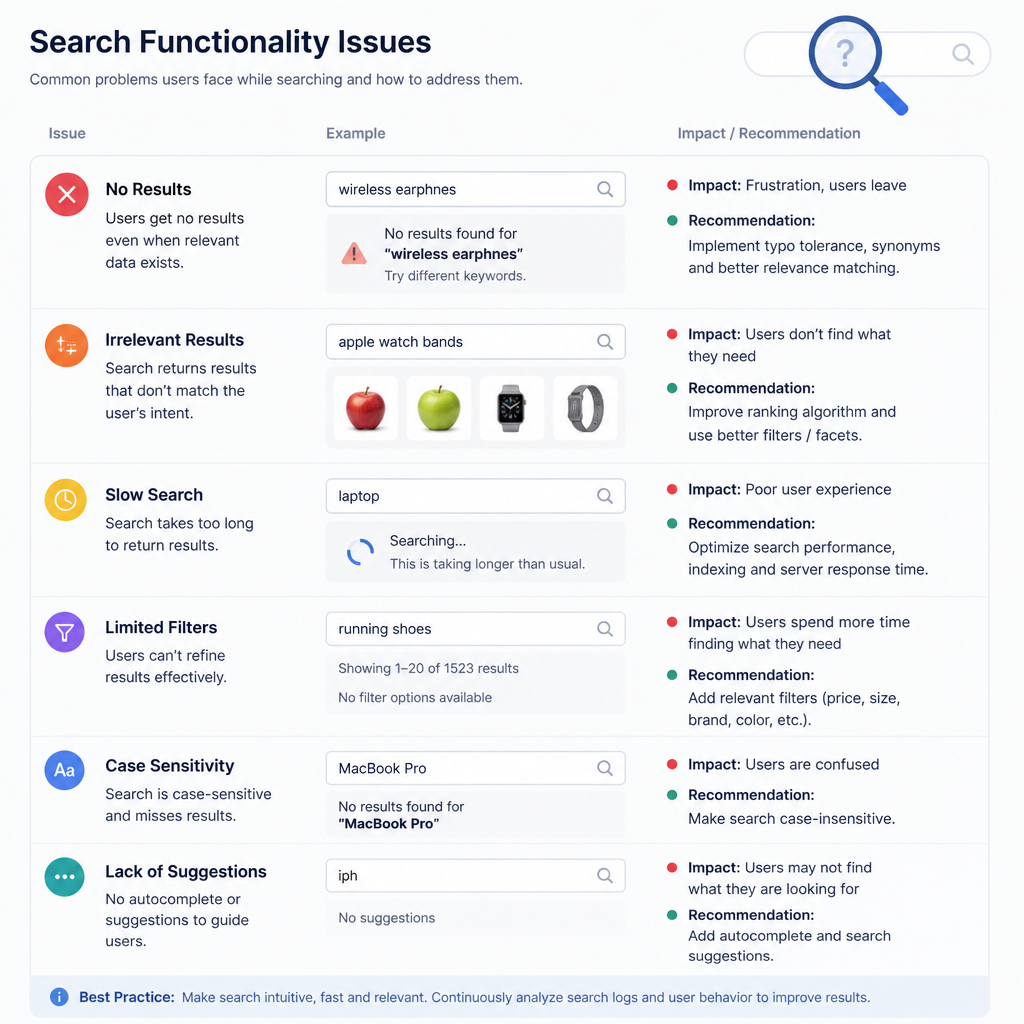
The primary grievance expressed by users seems to be the inconsistency and inefficiency of Apple’s Spotlight search and similar functionalities on Windows. It appears that as Apple has advanced its products’ capabilities with each iteration, the basic utility of efficiently locating applications or files has faltered. Users report pervasive problems such as incomplete or inaccurate searches and dynamic lists that unpredictably change during interaction. Both scenarios lead to a frustrating user experience, particularly when the system fails to retrieve straightforward queries accurately.
This struggle is indicative of broader trends in software development where feature bloat overshadows core functionality. Despite advances in hardware capabilities and a shift towards more sophisticated artificial intelligence, basic search operations continue to vex users. For instance, the quirk of typing the exact name of an application only for it to vanish from search results speaks volumes about potential disconnects between what developers imagine users need and the real-time user demands.
Furthermore, dynamic UI elements such as tap zones that unpredictably resize and auto-correct functionalities that stray into overwriting personal typing styles exacerbate user experience challenges. Despite innovations, the human-centric design seems to be lagging behind the pace at which technology evolves, evident in instances where systems seemingly ‘decide’ which input to prioritize, often erring towards incorrect outcomes. This disconnect leaves users yearning for a return to simpler, more predictable interfaces reminiscent of past software iterations that prioritized stability and predictability.
A critical aspect that emerges is the apparent gap in user testing. The discussion underscores the necessity for meticulous usability studies that not only accommodate a diversity of user behaviors but also place a premium on everyday practicality over groundbreaking but niche features. Questions linger on whether companies like Apple and Microsoft adequately engage with end-user feedback to inform iterative refinements of their systems.
The conversation about Apple’s Siri and its evolution into a potentially ‘worthless’ assistant further cements the notion that conceptual improvements do not always translate into practical enhancements. The repeated feedback that Siri’s newer versions feel slower and less intuitive reinforces the guidance that digital innovation should not come at the cost of crippling the very tasks users rely on daily.
As both researchers and developers continue to push the boundaries of what technology can achieve, the real success will lie in harmonizing advanced capabilities with seamless and intuitive user experiences. As such, companies may need to reinvest in understanding baseline user needs—whether through reducing application load, improving search algorithms, or ensuring that voice interactions do not become time-consuming endeavors.
Looking ahead, it is imperative for technology firms to refocus on creating products that complement rather than compromise user productivity. Future updates to macOS, iOS, and Windows must prioritize robust, reliable search and keyboard functionalities learned from past iterations, combined with thorough testing to ensure UX issues are anticipated and addressed. Only then can technology become the empowering tool it aspires to be, fulfilling its role in enhancing rather than hindering digital interaction.
Disclaimer: Don’t take anything on this website seriously. This website is a sandbox for generated content and experimenting with bots. Content may contain errors and untruths.
Author Eliza Ng
LastMod 2026-09-15