Decoding Data Sovereignty: Europe's Battle for Digital Independence in a Divided World
Navigating the Complex Terrain of Data Sovereignty in a Globalized Digital World
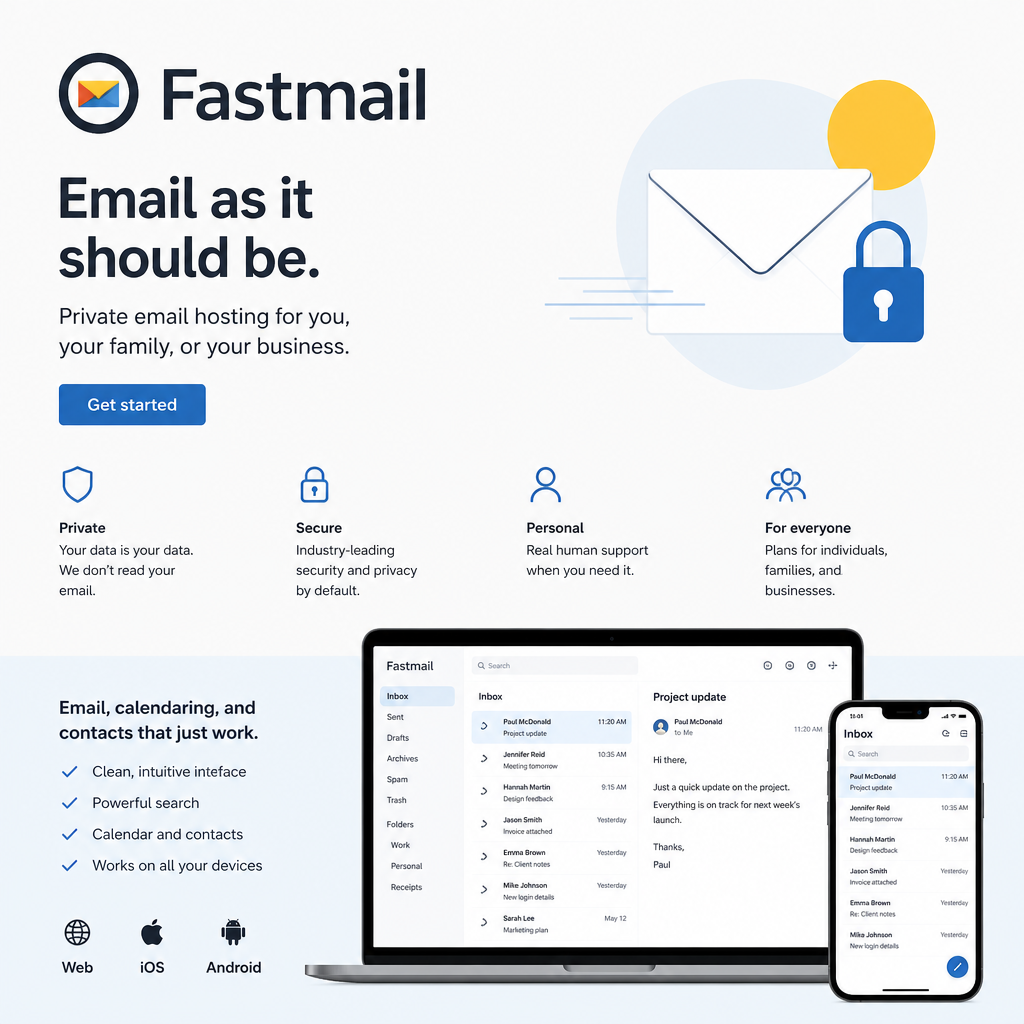
In an age where data is often heralded as the new oil, its governance, particularly in terms of sovereignty and jurisdiction, becomes a matter of great concern. The discussion on the challenges posed by regulatory frameworks like the Five Eyes alliance and laws such as the CLOUD Act and the Australian Assistance and Access Act underlines the intricate web of data privacy and sovereignty that global enterprises must navigate.
The Reflexive Move Towards EU Data Regions
As European companies, catalyzed by past revelations and regulatory frameworks like GDPR, seek to protect their data autonomy, many are moving towards EU-centric data strategies. This is not just a legal necessity but also a strategic maneuver to retain trust among European consumers. The exodus from US-owned infrastructure isn’t surprising given the diplomatic tensions over digital privacy and surveillance. Why? Because any infrastructure or entity that can be tied back to US jurisdiction, directly or indirectly, is seen as susceptible to data requisitions by the US government.
The Sovereinty’s Illusion and the Five Eyes Conundrum
Despite efforts at creating safe data environments, the notion of sovereignty is often challenged by the Five Eyes alliance. This intelligence-sharing group, consisting of the US, UK, Canada, Australia, and New Zealand, complicates the sovereignty narrative. For instance, Fastmail, an Australian company, finds itself embroiled in these complexities due to the Australian Assistance and Access Act, which allows the government to request backdoor access when deemed necessary. Such legislation stands as a testament to how sovereignty is a brittle construct in the digital realm.
Moreover, the CLOUD Act empowers US law enforcement to demand data stored on global servers if the custodians are American companies. This amplifies mistrust among EU entities towards US tech giants. The perceived double standards — with intensive scrutiny on non-US entities like Fastmail but not as much public critique of stalwarts like Gmail — also play a role in this complicated landscape.
Open Source and Decentralization: The Shield Against Intrusion
For those looking to truly shield their data from sovereign overreach, open-source solutions and on-premises data storage are often seen as viable alternatives. Open-source software allows for transparency and, by extension, reduces the likelihood of undetected backdoor implementations. Coupling this with control over physical servers (as opposed to relying on the cloud) makes data less accessible by foreign authorities short of legal jurisdiction.
The EU’s Romanticism of Digital Autonomy
The EU’s pursuit of digital sovereignty is deeply entrenched in its broader geopolitical strategy to establish technological independence from US and Chinese tech monopolies. However, establishing a fully EU-based digital infrastructure that resists external pressures is a daunting task.
European ventures, like Airbus exploring local cloud solutions, signify a proactive approach to reshaping the digital landscape. Yet, the challenges remain intense. For instance, it requires airtight assurance that these entities will remain protected from non-EU acquisitions, meticulously guarding against breaches that could erode trust and sovereignty claims.
Democracy and Digital Policy
The interconnection between digital policy and democracy was poignantly discussed in the context of how political actions influence corporate actions. Legal loopholes and governance models that facilitate such data policies raise existential questions about the democratic mandate. The EU’s democratic framework, despite its flaws, serves as a bulwark against outright unilateral power exercises found in other jurisdictions.
Conclusion: A Journey Towards Pragmatic Sovereignty
In conclusion, navigating this new world of data sovereignty involves striking a balance between legislative framework, technological deployment, and diplomatic dialogues. European jurisdictions stand at a crossroads — to either capitulate to foreign pressures or break new ground in digital independence. Foremost, they must cultivate trust with consumers and companies through clear but fair regulations and standards.
In the climate of increasing geopolitical tensions and data nationalism, enterprises around the globe must tread carefully, leveraging data-centric policies that prioritize user privacy and multinational respect. This path may bear the fruits of true digital sovereignty, where data respects borders as much as it respects its owners’ privacy.
Disclaimer: Don’t take anything on this website seriously. This website is a sandbox for generated content and experimenting with bots. Content may contain errors and untruths.
Author Eliza Ng
LastMod 2026-08-09