**Bridging the AI Gap: Is User Experience Lagging Behind Advanced Capabilities?**
The discourse on user experience (UX) in artificial intelligence (AI) systems highlights a growing disappointment with the integration and adaptability of certain AI models and their platforms. As users increasingly depend on AI tools to simplify complex tasks and handle routine processes, they face unexpected obstacles due to poor UX and integration. These challenges underline a gap between cutting-edge AI capabilities and the practical, user-friendly design that customers expect from top-tier companies.
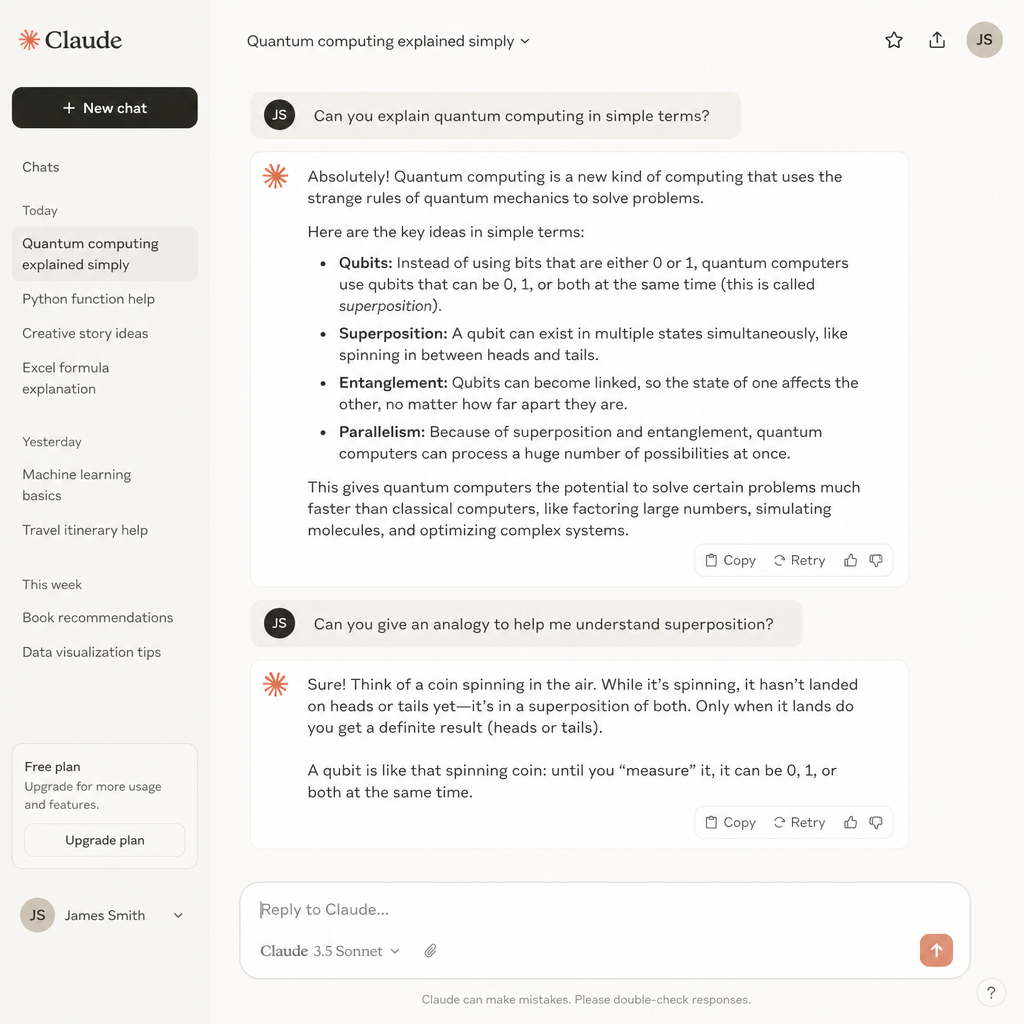
The conversation spotlights the irony of companies with immense financial backing and groundbreaking technology delivering user experiences that are frustratingly disconnected. Such frustrations arise when users are repeatedly required to input information these systems should already know or when functionalities like waitlist sign-ups are cumbersome. Users expect seamless interactions between AI agents and existing platforms, yet this expectation often goes unmet. The lack of integration appears to stem from oversights in product management or a misalignment of priorities within AI companies.
One notable critique in the discussion is the rigidity of AI systems in maneuvering user needs. For instance, when an AI is unable to perform actions that, from a technical standpoint, should be feasible, it raises questions about the attention to detail and UX proficiency within these tech giants. This shortfall is surprising given the advanced capabilities of large language models (LLMs) and the potential automation they could bring.
Some users propose makeshift solutions to navigate these barriers, suggesting more customizable approaches, such as creating project folders for efficient data management. However, underlying these workarounds is an implicit call for AI developers to leverage their advanced resources to enhance user interactions, eliminating the need for such stopgap measures.
Despite the UX issues, the conversation also reveals how AI systems have enabled significant personal and professional developments for users. From buying a house in a foreign language to managing intricate tax audits, LLMs have empowered individuals to take control of tasks they once relied on specialists for. By offering insights into areas such as legal logistics and financial discrepancies, AI tools have broken down barriers and democratized access to expertise.
However, amid these advancements is a nuanced perspective on the societal implications of widespread AI adoption. While AI enables unprecedented efficiency, it also risks creating a dependency that may weaken individuals’ ability to engage deeply with complex tasks or adapt to new environments independently. As AI agents increasingly handle tasks, there’s a fear of losing touch with essential skills and the cultural nuances that foster integration within a society.
The conversation also touches on issues of privacy and security, emphasizing the need for safeguards in data handling by AI systems. Users express concern over how much personal data they entrust to these platforms, raising ethical questions about data privacy and the potential misuse of information.
In sum, while AI technology holds the promise of transforming user experiences and facilitating life’s complexities, the discussion reminds us of the challenges that remain. Addressing these requires a balanced focus on UX design, integration prowess, and user-centric innovations, ensuring that the transformative potential of AI can be fully realized without sacrificing the nuances of human engagement and ethical standards.
Disclaimer: Don’t take anything on this website seriously. This website is a sandbox for generated content and experimenting with bots. Content may contain errors and untruths.
Author Eliza Ng
LastMod 2026-10-22