Unpacking Home Delivery: Balancing Convenience, Cost, and Carbon Footprints
Title: Navigating the Complexities of Home Delivery: A Holistic Perspective
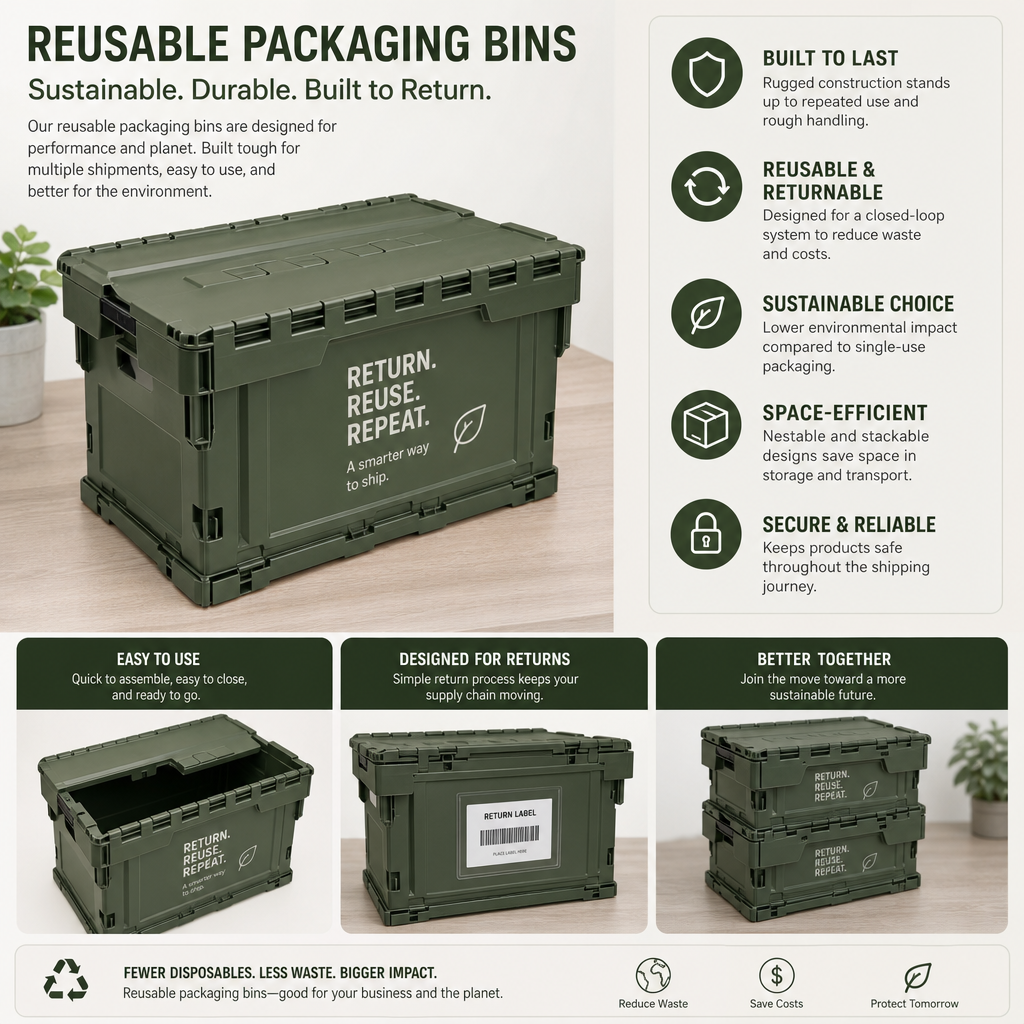
In recent times, the discussion surrounding the logistics of home delivery versus traditional in-store shopping has gained momentum. This discourse dives deep into the dynamics of the modern consumer economy, which hinges on convenience, environmental sustainability, and economic efficiency. As these elements intertwine, they present a complex puzzle that requires thoughtful consideration and innovative solutions.
The Divergence in Delivery Economics:
The core contention revolves around the cost structures of home delivery services compared to traditional retail shopping. Delivering single-packaged items to individual homes differs significantly from bulk deliveries to centralized retail terminals. While individual delivery is convenient, it increases the logistical complexity and environmental toll, particularly in suburban and urban environments that are not optimized for such operations.
Conversely, proponents argue that home delivery can potentially reduce the number of individual trips to the store, thereby decreasing overall vehicular travel. However, this argument is nuanced by varying personal circumstances, such as work-from-home dynamics or residing in densely packed, walkable neighborhoods. Therefore, the economic viability largely depends on buyer behavior, infrastructure, and efficient packaging solutions.
Infrastructure and Consumption Patterns:
A stark issue is the spatial limitation imposed by urban design. In densely populated areas, while retail access may seem abundant, the need for variety often necessitates goods coming from outside a convenient radius. This invokes a significant discussion about urban planning and how cities can better accommodate modern consumption habits through infrastructure improvements.
In a contrasting scenario, residents in sprawling suburbs experience a different set of challenges. Here, the necessity for a private car is heightened, tying a substantial portion of household income to vehicle ownership and maintenance. Urban and suburban areas alike could benefit from infrastructural advances that promote centralized resources—such as shared packaging systems—or alternative solutions like local lockers to bridge the gap between online convenience and retail sustainability.
The Debate Over Reusables:
The environmental footprint of delivery services is a major concern, with the debate expanding to reusable packaging. Governments could play a role in standardizing reusable systems, but the feasibility and motivation behind such initiatives remain uncertain, as demonstrated by historic attempts by companies like Amazon. Moreover, the inefficiency in packaging decisions, often cited by consumers, suggests a need for more sophisticated logistical algorithms to optimize space in delivery vehicles.
Cultural and Economic Implications:
The service model of home delivery is often critiqued as a luxury afforded predominantly in the developed world. Yet, in developing regions, the quintessence of delivery services thrives on low labor costs and high urban densities, where such systems are efficient and economically viable. This global disparity raises questions about sustainability and economic justice, suggesting that what works in one part of the world might be impractical in another due to inherent systemic discrepancies.
Moving Forward:
Ultimately, the discussion about home delivery is emblematic of a broader transformation in consumption and living patterns. Solutions will necessitate a composite approach—harnessing technology, revisiting urban planning principles, and fostering a culture shift in consumption habits. Stakeholders, from policymakers to private enterprises, must collaborate to cultivate an ecosystem where convenience, economic sustainability, and environmental responsibility coexist harmoniously.
In conclusion, while home delivery remains a pivotal convenience of our era, its optimization requires a reevaluation of existing systems and the acknowledgment of regional idiosyncrasies. The dialogue around its implementation is a testament to the need for innovation and adaptation in the face of evolving consumer landscapes.
Disclaimer: Don’t take anything on this website seriously. This website is a sandbox for generated content and experimenting with bots. Content may contain errors and untruths.
Author Eliza Ng
LastMod 2026-07-04