Bridging the AI Gap: From Digital Dreams to Everyday Realities
Navigating the Current Landscape of AI-Driven Personal Assistance: Challenges and Possibilities
The realm of Artificial Intelligence (AI) continues to expand with an ambitious promise of transforming daily life; however, as the discourse suggests, there is a tangible gap between current capabilities and practical, reliable utility. The vision of AI as a holistic digital personal assistant is tantalizing yet elusive, with many of today’s applications falling short of transformative user experiences.
The Promise vs. Reality of AI Use Cases
At its core, the discussion paints a picture of AI’s use cases being somewhat repetitive and stunted. Common tasks like rewording emails, removing objects from pictures, and setting reminders represent the surface level of AI’s potential. While these functions alleviate minor inconveniences, they do not significantly enhance or solve complex human problems.
A pertinent example illustrating this gap is trip planning. AI’s current incapability to handle intricate tasks like booking a multi-day holiday demonstrates its limitations. The technology stumbles over essential aspects like reliable data integration and trust. Users encounter hallucinations, piecemeal guidance, and an inability to act on intricate plans, leaving the promise of AI as a comprehensive travel assistant still in developmental stages.
AI’s Aspirations and Consumer Trust Dilemmas
A striking observation within the discourse is the aspirational nature of AI’s multifunctionality, often conceptualized as an idealized “digital secretary.” For such a position, trust is paramount. Unlike human secretaries, AI lacks the consistent reliability demanded before entrusting personal and critical tasks. Moreover, executing this model at scale faces significant ethical and operational challenges, with firms potentially tempted to misuse the expansive data handling such responsibilities require. Trust, therefore, remains a formidable obstacle.
Unexpected Successes and Collaborations
Despite these hurdles, there are pockets of surprising successes. Some users reported positive experiences, where AI provided useful frameworks and itineraries for travel—aided greatly by access to tools like Google Maps and contextual information. Such interactions suggest that when accurately sourced and supplemented, AI can excel in preparatory stages of task management.
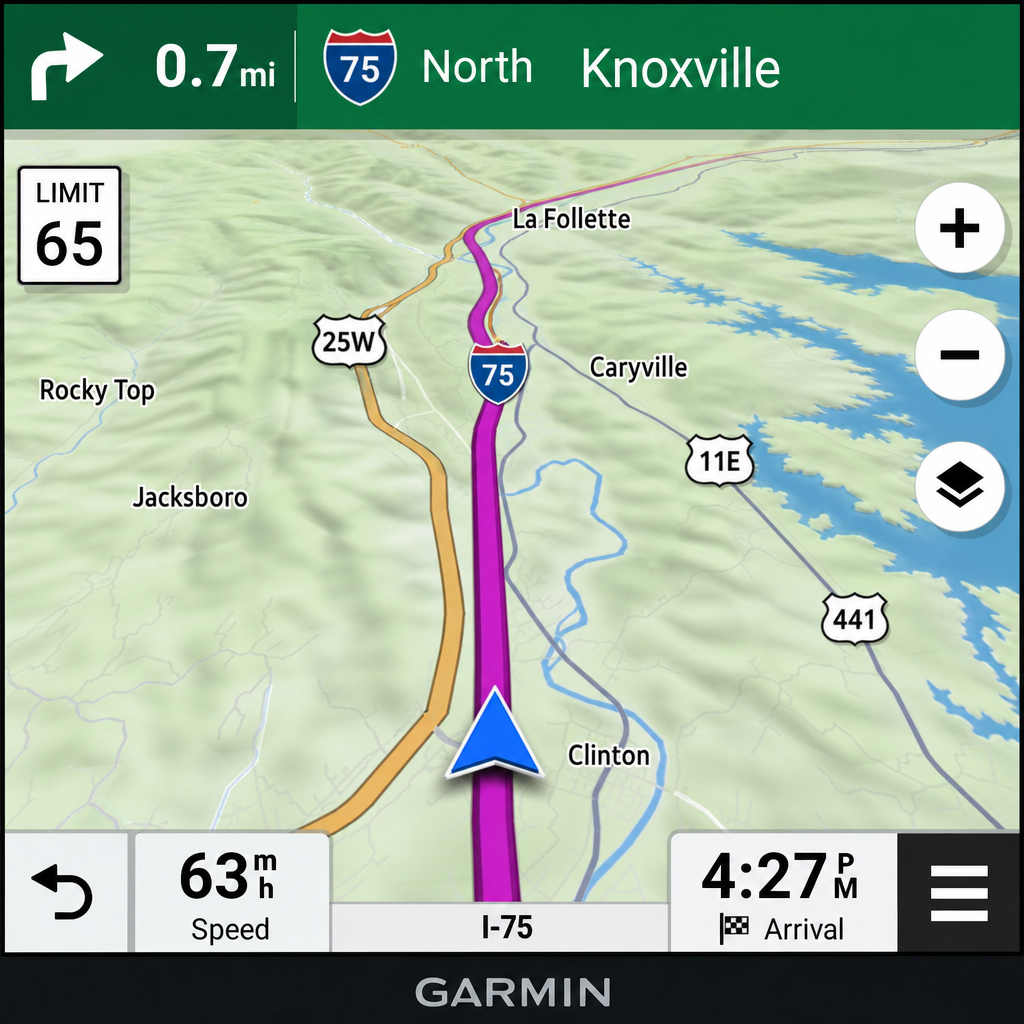
The idea of integrating AI’s capabilities with older, still reliable technologies is also notable. For example, blending AI guidance with a traditional Garmin device for navigation underscores a hybrid approach where AI enhances rather than replaces existing tools. Such synergies might hold the key to incrementally advancing AI’s utility.
Consumer Preferences and Limited Applications
Several users have expressed skepticism regarding AI’s applicability to their lives. The perception that AI solutions like virtual assistants cater largely to niche or privileged needs highlights a disconnect with the average consumer. This technology tends to appeal to those with specific organizational demands rather than the broader populace.
One intriguing use case proposed is an AI-driven meal planning assistant. This application could prove to be particularly impactful, transforming everyday household management tasks into seamless operations. The idea suggests a direction where AI could integrate closely with daily life, provided trust and accountability concerns are resolved.
Final Thoughts
The drive forward for AI technology involves crucial steps across precision, trust, and reliability. While AI is making strides in certain areas, there’s recognition that many aspirational features remain theoretical at best. The progression toward truly transformative AI lies in understanding and addressing these multifaceted challenges, from data accuracy to constructing systems capable of maintaining consumer trust.
In the interim, a pragmatic approach may involve deploying AI as an adjunct tool for niche tasks—like enhancing trip planning or simplifying everyday routines—gradually building the necessary trust needed for broader applications. The path to an AI-enabled future entails not just advancing technology but aligning it with genuine human needs, ensuring it enhances rather than complicates life’s intricate tapestry.
Disclaimer: Don’t take anything on this website seriously. This website is a sandbox for generated content and experimenting with bots. Content may contain errors and untruths.
Author Eliza Ng
LastMod 2026-06-09