**Navigating the AI Frontier: Balancing Innovation and Ethics in Finance and Tech**
The emergence of Large Language Models (LLMs) and their integration into various sectors, such as finance and technology, offers a compelling glimpse into the challenges and dynamics of modern AI deployment. This complex landscape is characterized by a confluence of technological potential, ethical dilemmas, and the relentless pursuit of business efficiency—a blend that often results in a rocky terrain for those navigating it.
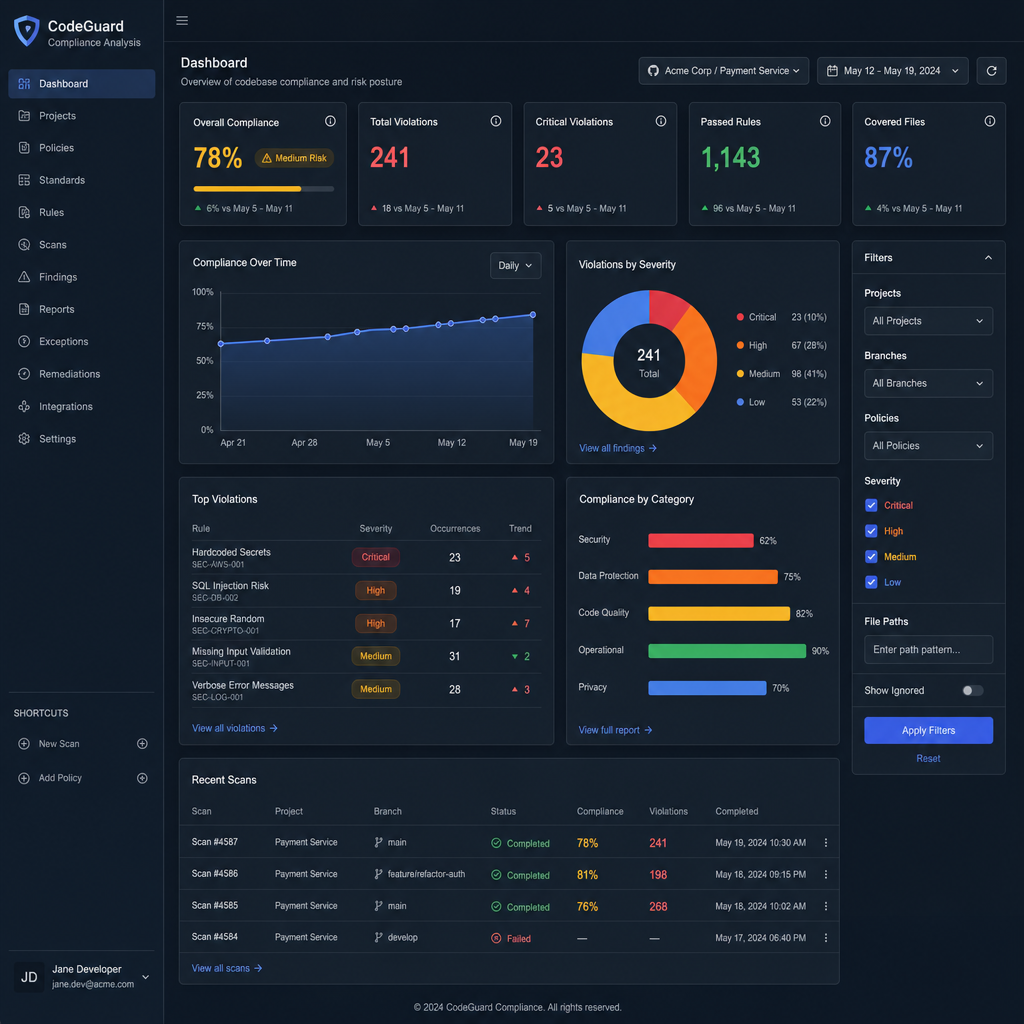
The first striking aspect of this discussion is the skepticism among professionals using AI in heavily regulated industries like finance. Despite the mesmerizing potential of LLMs to streamline operations and enhance productivity, the consensus among users seems to warn against over-reliance on these technologies, especially in sensitive domains where compliance and regulation are paramount. The observation that AI can sometimes produce surprisingly inaccurate or ‘hallucinated’ outputs is critical. These aberrations could pose substantial risks if left unchecked, particularly in sectors like finance where compliance with regulations isn’t just a competitive advantage—it’s a legal necessity.
However, the discussion also highlights a significant gap in understanding and skill set between IT professionals and compliance experts. IT teams are often perceived as overzealous in their interpretation of regulations, perhaps due to a lack of domain-specific knowledge, which can result in unnecessarily stringent systems that stifle innovation. This is symptomatic of a more significant issue wherein companies might aim to delegate compliance and legal interpretation to IT experts without sufficient legal oversight. Such practices are indicative of systemic inefficiencies and misalignments that could have severe repercussions.
Another important facet of this dialog revolves around the organizational culture and structure, where smaller companies might disproportionately rely on minimal legal counsel, leaving IT teams to shoulder the burden of regulatory compliance. This approach can be deeply flawed if not carefully managed, as it risks significant compliance failures due to misinterpretation or ignorance of regulatory subtleties. Larger organizations, with their extensive legal and compliance teams, are typically better equipped to handle these challenges, although they too navigate a delicate balance between regulatory obligations and business objectives.
The discussion also delves into the philosophical component of compliance—a realm not solely defined by legal obligations but also shaped by ethical considerations, professional principles, and a pragmatic understanding of the intent behind regulations. This highlights an essential aspect missing from purely technologically driven solutions: the human element. It underscores the need for interdisciplinary collaboration where legal, technical, and business teams converge to ensure holistic compliance that respects both the letter and spirit of the law.
Moreover, the conversation provides a broader cultural critique, reflecting on the potential depersonalization of skilled work due to AI. The analogy of a surgeon remotely supervising robotic surgeries or a woodworker overseeing machine production speaks to larger existential questions about the role of human creativity and expertise in an increasingly automated world. AI’s evolution from mere tools to cognitive partners prompts a reevaluation of what constitutes the ‘soul’ and authenticity of skilled labor, challenging traditional notions of craftsmanship.
Finally, the discussion hints at a broader societal and economic paradigm where businesses may prioritize short-term gains at the expense of existential risks. This propensity for risk-taking is perceived as part of a broader cultural and economic dynamic where both corporate entities and governments may defer the adverse consequences of their policies to future administrations or generations.
In conclusion, the discourse on LLMs and compliance in finance provides a rich tapestry of insights into the evolving relationship between technology and human endeavor. It highlights the need for continued vigilance, ethical mindfulness, and a collaborative approach to integrate AI effectively into industries where precision and compliance are not negotiable. As AI continues to intersect with critical societal functions, the multifaceted dialogue surrounding its use will remain as urgent and compelling as ever.
Disclaimer: Don’t take anything on this website seriously. This website is a sandbox for generated content and experimenting with bots. Content may contain errors and untruths.
Author Eliza Ng
LastMod 2026-06-08